
11 Tips To Remember When Paddling In An Inflatable Vessel
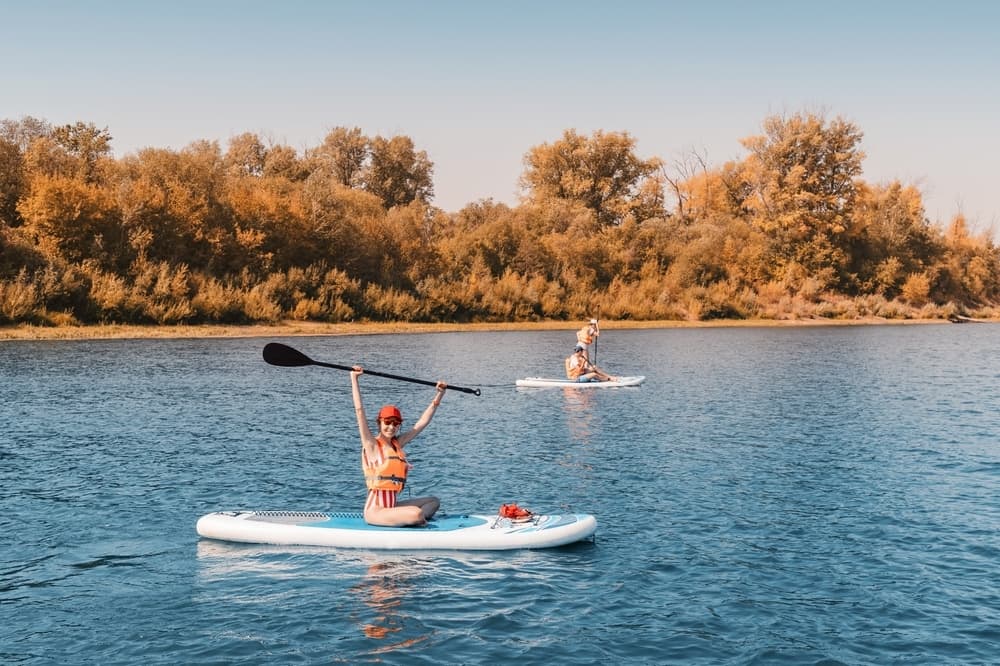
Inflatable paddling vessels can be an incredible addition to anyone’s paddling arsenal. They are lightweight, easy to transport, and allow paddling in some of the most remote and rewarding locations on Earth. While these inflatable transports have tons of benefits, there are also some things you need to know to ensure you have a safe and rewarding journey every time you launch an inflatable kayak or SUP board.
Before launching any inflatable vessel, you must try to fill it to its maximum recommended PSI. Avoid launching inflatables in sharp and rocky environments, and stay clear of sharp hazards when you’re on the water. Bring an emergency repair kit, especially on longer journeys, and always wear your PFD. Stick to coastal routes rather than venturing into the open ocean, and paddle on calm days with minimal wind whenever possible.
If you’ve recently purchased an inflatable SUP board or kayak, there are a few important tips you need to know before you start using it. While these vessels are often well-constructed and better than ever, they still pose unique challenges that require a little extra knowledge and preparation. Keep reading to learn everything you need to know before paddling in an inflatable vessel.
11 Tips To Remember When Using An Inflatable Paddling Vessel
1. Inflate It To The Maximum PSI
One of the most important things to remember when you’re blowing up your inflatable board or boat is to fill it with air to the maximum recommended pressure. Every inflatable will have a recommended PSI listed on it. Always fill it to this level.
Ensure you have a pressure gauge on your pump, and don’t stop pumping until you hit this number. If you underfill your vessel, it will be less buoyant and sturdy. Underfilling your board or boat can lead to an uncomfortable and even dangerous ride.
2. Carry A Repair Kit For Emergencies
Even the most careful paddler can puncture an inflatable vessel. Hidden hazards, wear and tear, and other issues can cause leaks in your board or boat. Therefore, it’s crucial you bring an emergency repair kit, in case you need to patch up your vessel on the fly.
Most inflatable vessels come with a basic repair kit, which should include patches and adhesive. If you don’t have these basics, purchase them separately and carry them in a quality dry bag every time you paddle.
3. Invest In An Electric Pump
Inflatable vessels are very convenient, but manually inflating them is not fun. It takes time and energy to pump an iSUP or inflatable kayak. Pumping up your vessel can completely deplete your energy, making it much harder to paddle later. An electric pump can make your life much easier.
Electric pumps are more expensive than manual versions, but they are a worthwhile investment for anyone who paddles regularly. You can plug these devices into an electric socket or a car, and the pump will do all the work, allowing you to save all your energy for the water.
4. Never Forget Your PFD
You should always wear a PFD when paddling, regardless of how close to shore you navigate and how favorable the conditions are. When paddling in an inflatable vessel, it’s even more important to wear your PFD.
These lightweight vessels are less sturdy than solid boards and boats, which makes capsizing more likely. Wearing a reliable PFD ensures you will remain safe even if you take an unintentional dip while paddling.
5. Use A Carrying Case To Reduce Damage
One of the greatest benefits of an inflatable paddling vessel is its portability. It’s easy to roll up these vessels and carry them just about anywhere. The key, however, is having a reliable carrying case, such as a backpack, to store the vessel and its accessories.
Most vessels come with a carrying case, but they aren’t always durable and built to last. When shopping for an iSUP or inflatable kayak, ensure you have a reliable carrying case for your vessel, and keep it stored inside. A good case will make it easier to carry your vessel, and may also help it last longer.
6. Store It Out Of The Sun
The sun can damage even the strongest vessel. It is particularly hard on inflatable vessels. UV rays can degrade PVC and ruin your paddling vessel over time. If you store your board in the sun, it is more vulnerable to rips and holes, which can make it more dangerous to paddle.
Always store your inflatable vessel in a shaded, dry, and cool location. Proper storage ensures your inflatable board or boat stays strong and new, reducing the risk of an emergency on the water.
7. Check The PSI Periodically
Just as you must blow your vessel up to the maximum recommended PSI, it’s just as important to check the PSI periodically. If you take longer paddles, including multi-day journeys, there’s a chance your board will deflate slightly.
Regularly checking the PSI ensures your inflatable board or boat stays buoyant and strong. If your vessel is losing PSI quickly, it indicates a small leak that you must find and fix.
8. Avoid Paddling On Windy Days
Paddling on windy days is rarely a good idea. Increased winds make navigation difficult, and strong winds often create choppy, even dangerous conditions. Inflatable boards and boats sit higher on the water and are lighter than most vessels, making them particularly vulnerable on windy days.
Always check the forecast before paddling in an inflatable. If the winds are higher than normal, then it’s best to reconsider your plans.
9. Keep Your Center Of Gravity Low
Since inflatable vessels are lighter and less stable than heavier solid versions, it’s easier to tip and lose your balance. To help combat this decreased stability, you should find ways to lower your center of gravity.
Keep a low stance when kayaking, with your body lower than normal. When SUP boarding, paddle on your knees when entering choppy waters, or any time you lose confidence in your balance.
10. Avoid Rocky Launch Sites And Routes With Pointed Hazards
Rocky launch sites are never ideal, as they can scratch and damage your vessel. They are particularly undesirable when you have an inflatable vessel. Sharp rocks can cause deep scratches in the board’s lining, which makes the vessel far more vulnerable.
In addition to avoiding rocky launch sites, you must be very careful in areas with sharp and pointed hazards. Paddling around shallow coral reefs and among mangroves are environments where you must stay extra alert to avoid damaging your inflatable vessel.
11. Plan Your Routes That Hug The Coast
Whenever possible, you should keep your paddling route close to shore when navigating in an inflatable vessel. Staying close to shore usually means more tranquil waters. It also makes it much easier to reach safety if you have an emergency or notice your vessel losing air fast.
While it’s possible to take your inflatable vessel into deeper waters offshore, you should do your best to avoid it whenever possible to ensure your safety.
Related Articles

Canoeing in the spring is one of the most meditative and peaceful experiences you can have on the…

Razor’s Edge Pro series doesn’t just improve upon the inflatable kayak – it resets expectations. It…

SUP boarding is the perfect summer beach day activity, but it’s also a watersport you can enjoy in…

With its accessible price point and strong Amazon presence, Niphean inflatable SUPs are often grouped…