
Reasons Alcohol and Paddling Never Mix
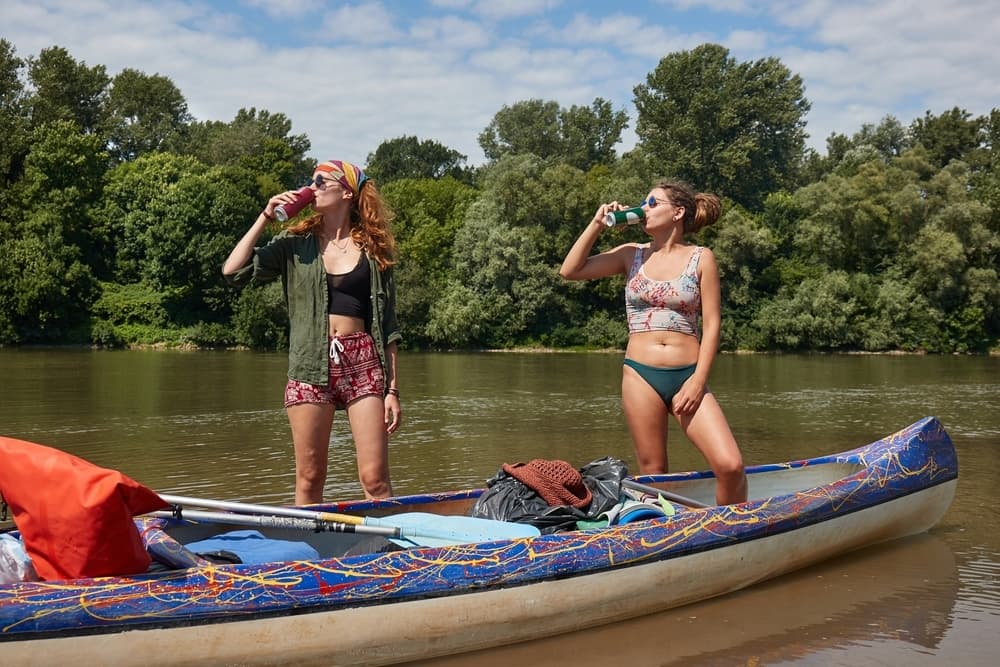
For many adult paddlers, a cold beer or delicious cocktail is the cherry on top after an epic day of paddling. Drinking booze before paddling is a different story. Paddling while under the influence of alcohol is not only dangerous, but it’s also illegal.
Alcohol clouds judgment and slows your reaction time, which can have serious consequences on the water. It also increases your rate of dehydration, can cause rapid muscle fatigue, and even hypothermia. Capsize recovery is more dangerous after you’ve consumed alcohol, and it significantly compromises your sense of direction.
Becoming an avid paddler doesn’t mean you have to swear off alcohol for good, but it does require more responsible drinking habits. Drinking heavily the night before a paddle, moments before, or while you operate a paddling vessel can have serious, and even fatal consequences. As you become a more experienced paddler, you must know all the reasons why alcohol and paddling never mix.
10 Reasons Alcohol And Paddling Never Mix
1. It’s Illegal To Paddle Under The Influence
The number one reason why you should never operate a paddling vessel while under the influence of alcohol is that it’s illegal. Just as you can get a DUI while driving drunk, you can get the nautical equivalent, a BUI, while operating a water vessel while under the influence.
All 50 states and many countries outside the U.S. have strict BUI rules. For example, it is illegal to operate a paddling vessel with a blood alcohol content (BAC) above 0.08%. The BUI rules apply not only to motorized vessels, but also to paddling vessels. Therefore, before you even think about safety concerns, remember there are serious legal penalties for drinking while paddling.
2. Alcohol Has Rapid Effects On Your Motor Skills
One reason why it’s illegal to paddle while under the influence of alcohol is that it has rapid and serious effects on your motor skills. Alcohol is a depressant that quickly alters your central nervous system, including your cerebellum.
The result of this compromised brain function is a loss of balance and a decline in your overall motor skills. You will quickly lose your ability to use your paddle effectively, and you will become far more likely to capsize.
3. Capsizing Becomes Significantly More Dangerous
Not only does drinking alcohol increase the probability of capsizing in your paddling vessel, but it also makes capsize recovery significantly more dangerous. Capsizing is a disorienting experience, even for sober and experienced paddlers.
If you’ve consumed alcohol, capsizing becomes increasingly disorienting, and capsize recovery is more difficult. Impaired motor skills, fatigue, and confusion combine to make capsize recovery very dangerous for impaired paddlers.
4. Paddling Requires Good Decision-Making
When you’re navigating waters in nature, there are many variables you must consider. Currents, weather, waves, and tides can change in a matter of seconds. You need to think ahead and make quick decisions constantly when you’re on the water.
Alcohol reaches your brain within five minutes of consumption, and you begin to feel its effects shortly thereafter. Therefore, in less than thirty minutes after you drink alcohol, you’re likely to experience impaired decision-making.
The slower you make decisions, the more likely you are to find yourself in a dangerous situation. You’re also more likely to make bad decisions that can place you in hazardous waters.
5. Alcohol Dehydrates You
Staying hydrated on the water is an integral part of paddling safely. Alcohol might be a liquid, but it’s also a diuretic, which means it encourages your body to release water instead of holding onto it.
While the rate of dehydration varies based on the amount of alcohol you consume and the type, even one alcoholic beverage can contribute to dehydration. Therefore, even small quantities of alcohol can cause various dehydration symptoms, which range from uncomfortable to life-threatening.
6. You Lose Spatial Awareness
Another reason why you should never drink before or during a paddling session involves your vision. Alcohol impairs your spatial awareness. Objects can appear closer or further away than they actually are. You are also less likely to notice subtle changes in tides and currents.
The more you drink, the more impaired your vision becomes. You may eventually experience blurred or double vision, which can turn a casual paddling route into a potentially fatal journey.
7. Alcohol Slows Your Reaction Time
Not only does alcohol impair your decision-making skills, but it also significantly slows your reaction time. Alcohol-related crashes on land and on the water are so common due to this delayed judgment.
Reaction time is one of the first ways alcohol affects your brain. Within 10 minutes of consuming alcohol, you can expect slowed reactions. When you paddle, you often need to adjust course, slow down, or avoid hazards at a moment’s notice. Slowed reactions can cause life-threatening mistakes and collisions.
8. There’s An Increased Hypothermia Risk
You might associate hypothermia with paddling among glaciers and icebergs, but you can experience hypothermia in pleasant weather and in water temperatures as high as 80 degrees. While hypothermia is something every paddler must consider, consuming alcohol significantly increases your risk of hypothermia.
Alcohol is a vasodilator, which means it opens up blood vessels and, in turn, lowers your core body temperature.
9. Your Sense Of Direction Is Compromised
Even the simplest paddling route requires a keen sense of direction. In addition to planning and mapping your paddling route, you must pay attention to landmarks and coordinates while on the water.
Alcohol quickly impaired your sense of direction. Consuming alcohol impairs your inner ear's vestibular system, which can cause rapid and serious disorientation. Combined with a lack of spatial awareness, alcohol increases the likelihood that you’ll veer off course and potentially get lost while paddling.
10. Alcohol Can Speed Up Muscle Fatigue
One last reason alcohol and paddling never mix is the fact that alcohol speeds up your rate of fatigue. A paddle that might normally feel easy can quickly feel exhausting if you’ve consumed alcohol beforehand.
In addition to dehydration and electrolyte depletion, alcohol makes it more difficult for your muscles to recover. You are likely to feel lethargic quickly, and you may even find it difficult to paddle to shore in the event of an emergency.
Related Articles

Photo by: Dmitri T, Shutterstock Regardless of whether you’re an expert paddler with decades of…

I’ve been on paddling tours all over the world, from New England to the Galapagos Islands. While every…

I went for a quick jaunt in a canoe one unseasonably warm and sunny morning not long ago. By the time I…

Paddling often appears simple and safe enough when you’re a spectator watching from afar. But when you…