
What To Pack When Paddling In The Spring
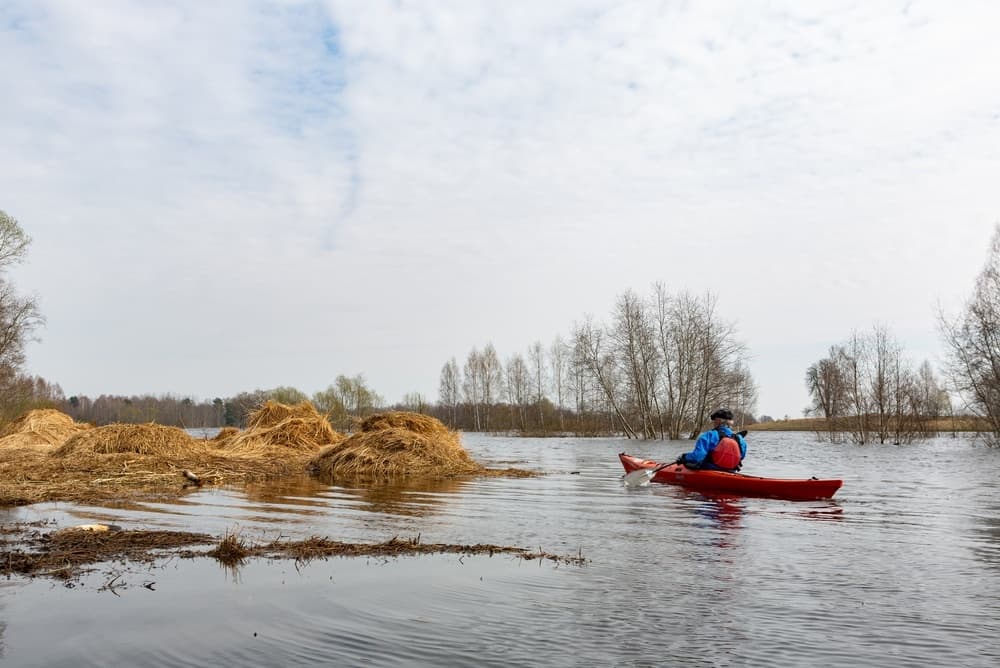
Spring is one of the most exciting seasons for paddlers. These months offer stunning flowers, the return of migrating birds and other wildlife, and minimal crowds. Spring is also a transitional period, when air temperatures are warm, but water is often still frigid. Therefore, you must pack smart for every spring paddling adventure to ensure you’re safe and comfortable on the water.
Pack your PFD, a first-aid kit with allergy medicine, neoprene boots, and gloves when paddling in the spring. Bring water and a thermos with a warm beverage to stay hydrated and warm. Bring an extra set of warm clothes packed in a dry bag, and paddle with a lightweight jacket when water temperatures are low. Bring a quick-dry towel, ample sun protection, and paddling snacks to keep your energy up.
Paddling in the spring can be a blissful and serene experience, but it can also be an uncomfortable disaster if you don’t pack correctly. If you’re eager to get back on the water after a long winter hiatus, remember to take some time to confirm you’ve packed all the essentials. To help you form your packing list, read the complete list of items you should always remember when paddling in the spring.
10 Items You Should Always Pack When Paddling This Spring
1. A Recently-Tested PFD
You must always wear a reliable PFD when paddling. As you prepare to paddle this spring, you must remember to take the time to test your PFD, as it may have incurred damage while you stored it in the winter.
If you’ve gained a bit of weight over the winter, you must adjust it and confirm that your current PFD still fits. Testing your PFD in advance gives you time to buy a new one if needed and prevents you from wearing an uncomfortable or unsafe one on your first spring paddle.
2. Neoprene Boots
Spring air temperatures are perfect for paddling, but water temperatures are usually significantly colder. In many cases, water is barely above freezing, especially in glacially-fed lakes and rivers. You must always dress for the water temperature, and you should pay particular attention to your feet.
Neoprene boots are waterproof and insulating. They keep your feet warm and comfortable while paddling. They also protect your skin when you enter and exit your vessel. Inspect your neoprene boots in early spring, and confirm they are still in good condition before you plan your first spring paddling session.
3. Gloves
Your hands, like your feet, are vulnerable extremities that get colder faster than the rest of your body. When you paddle, your hands often get wet. If the water is frigid, unprotected hands will become numb and painful within minutes.
Always pack insulating paddling gloves when you paddle in the spring. These gloves will keep your hands warm and also protect them from painful early-season blisters that can develop as you get back into your paddling routine.
4. First Aid (With Allergy Medicine)
It’s always smart to pack a first aid kit when you paddle. You can cut yourself, get a blister, or injure yourself in countless other ways that require immediate assistance. A first aid kit is an excellent way to treat injuries immediately, when you’re still on the water.
When you prepare your first aid kit, consider including non-drowsy allergy medication. Spring allergies can affect paddling safety, and effective allergy pills can significantly reduce your symptoms.
5. Water And A Thermos
It’s always important to find ways to stay hydrated while paddling. If you aren’t in peak paddling form in early spring (and most people aren’t), then there’s a strong possibility you will sweat more than normal. Pack plenty of water on your journey to avoid dehydration.
Since water temperatures are often cold in the spring, consider bringing a thermos filled with a hot beverage or broth. These hot liquids will keep you hydrated and warm when you paddle in cold water.
6. Fleece Or A Lightweight Jacket
When you dress for a spring paddling session, think in layers. The most important layer to remember for your safety and comfort is an insulating layer. Fleece is a great option because it’s a good insulator and easy to wring out when it gets wet.
Alternatively, wear a waterproof, insulating jacket that’s easy to put on and take off. Avoid wearing cotton, as it holds moisture more than other fabrics.
7. Quick-Dry Towel
No one wants to fall into freezing water in early spring, but it happens to even the most experienced paddlers. If you take an unintentional dip or capsize your vessel, you’ll want to dry off as quickly as possible to avoid hypothermia and other ilnesses.
Always pack a quick-dry towel. A towel will remove excess cold water from your body, allow you to change your clothes, and help you warm up quickly.
8. Sunscreen, Hat, And Sunglasses
It’s easy to forget about sun protection in the spring when the sun’s rays don’t feel as strong and the days are still relatively short. The harsh reality is you can experience extreme sun exposure in the spring, especially when your skin isn’t protected. Always wear sunscreen (and pack extra), no matter what time of year you paddle.
Wear a sun hat and paddling sunglasses, as these accessories will protect your eyes and make it easier to navigate when glare is present.
9. A Dry Bag With An Extra Set Of Warm Clothes
A high-quality dry bag is a paddler’s best friend. You should never leave home without one (or two) of these padding essentials. In the spring, it’s smart to have a dry bag for your electronics and other items you don’t want getting wet.
You should have a second dry bag for an emergency change of clothes. If you capsize or fall in the water, you’ll want to change clothes fast. Packing an extra set of warm clothes in a dry bag ensures you have something warm to change into as soon as you dry off.
10. Energy-Boosting Snacks
Very few people are in peak paddling condition in the spring. It takes time to build up muscles after a long winter break. One way to ensure you aren’t lethargic on the water is to pack energy-rich and nutritious paddling snacks.
Opt for fresh and dried fruit, protein-rich nuts, and healthy energy bars. You can also pack electrolyte-rich drinks. Keeping your body fed will make it easier to push through your early-season paddling routes.
Related Articles

Canoeing in the spring is one of the most meditative and peaceful experiences you can have on the…

Razor’s Edge Pro series doesn’t just improve upon the inflatable kayak – it resets expectations. It…

SUP boarding is the perfect summer beach day activity, but it’s also a watersport you can enjoy in…

With its accessible price point and strong Amazon presence, Niphean inflatable SUPs are often grouped…