
Top Tips For Properly Storing Your Canoe This Winter
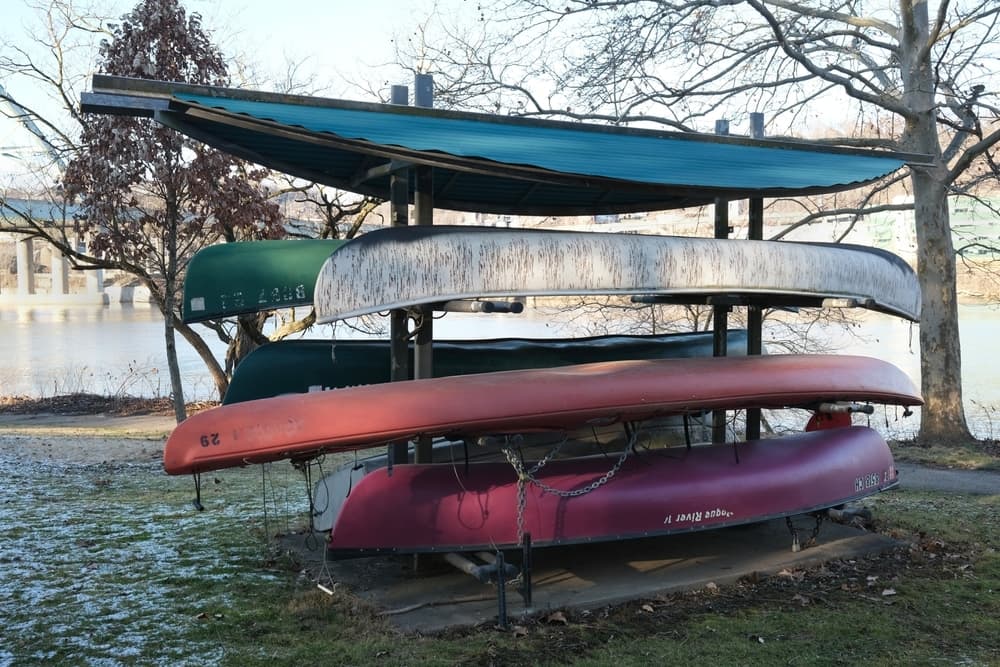
If you live somewhere with long and harsh winters, then your paddling season comes to an end as the final leaves fall from trees around your favorite waterways. While storing your paddling vessel is a sad and sometimes tedious process, proper storage is essential. Canoes are large and expensive vessels, which means you must do all you can to store and preserve them properly each winter.
Before storing your canoe in the winter, repair any dings and cracks and apply an oil or protectant to the hull. Thoroughly wash and dry the canoe, then select a cool, dry place out of the sun to store it. Never store a canoe directly on the ground. Instead, flip it upside down to keep debris and critters from collecting in the boat.
Storing your canoe properly can help it last for many extra years, and improper storage can cause unnecessary and expensive damage to the vessel. If you are preparing to store a canoe for the season, then keep reading. Below is a list of the top tips to remember when you store a canoe away for the winter.
12 Tips To Ensure Your Properly Storing A Canoe This Winter
1. Wash And Dry It Thoroughly
When storing a canoe (or any paddling vessel), you should always clean it first. Wash the exterior and interior with soap and water, and then rinse the canoe with water to remove any soapy residue.
Once the canoe is clean, wipe off excess moisture using a microfiber cloth. This will reduce water stains. Allow the canoe plenty of time to dry before you store it. A dry canoe is less likely to grow mold and mildew.
2. Remove Cushions, Ropes, And Accessories
Before you store a canoe for the winter, remove any accessories and objects that are not permanently attached to the vessel. This includes cushions, seats, ropes, and other items. Removing anything with fabric or natural materials will help preserve them.
All cushions and ropes should be washed and dried, and then properly stored for the winter. Properly storing these vulnerable accessories will help them last much longer than if you store them inside the canoe.
3. Store The Vessel Indoors Whenever Possible
When you look for the perfect place to store your canoe, try to find a location indoors. There are several benefits to storing your canoe inside the home. For one, it protects the material from natural elements like rain, snow, and wind.
Furthermore, indoor rooms don’t fluctuate so dramatically in temperature. Weather extremes can cause your vessel to weaken and even crack. It might be challenging to find a place inside to keep a large canoe, but if you can find a way, your canoe will be much happier.
4. Select A Cool And Dry Place
Regardless of whether you can keep your canoe indoors or not, try to find a cool and dry place with as much protection as possible. Avoid areas with extreme temperature fluctuations whenever possible, and keep it in the driest location you can find.
If you store your canoe somewhere prone to flooding or exposed to weather, it will likely suffer more wear and tear than if you keep it somewhere dry and protected.
5. Store It Upside Down
One easy and highly effective canoe storage tip to remember is to flip it upside down before storing it. Storing your canoe with its hull facing upwards has several benefits. For one, it protects the shape of the vessel.
It also prevents water and debris from collecting inside the canoe, which can cause stains, rot, and other damage. You are also less likely to have rodents and other critters living in your canoe when it's stored upside down.
6. Keep It Out Of Direct Sunlight
When you think of all the dangerous natural elements in the winter, the sun is probably not at the top of the list. While ice, snow, and wind are all dangerous factors, it’s harmful UV rays that often cause the most damage to canoes when they aren’t properly stored.
No matter where you store your canoe, ensure it is sheltered from the sun. UV rays can destroy paint jobs, weaken manmade materials, and even damage wood finishes. Use a breathable cover, and find a location with a roof that blocks as much sunlight as possible.
7. Store It Off The Ground
Never store a canoe on the ground. Instead, find a way to keep it elevated, especially when you are storing it for a prolonged period. If you store a canoe on the ground, it is more likely to get wet and dirty. It’s also easier for animals to burrow inside, causing irreversible damage in the process.
Elevating the canoe not only keeps it dry, but it also keeps it from freezing on the ground, which can have disastrous effects.
8. Add Oil Or Other External Protectant
Before you store your canoe, consider adding a layer of protectant. If you have a wooden canoe, you can add a wood oil or wood finish, especially if you recently had to sand down or repair your canoe.
Applying a fresh coat of oil or wood finish is like adding an extra shield of protection, which will help it withstand the harsh winter elements. There are also UV AeroSpace protectants you can apply to plastic and other manmade canoe materials that will strengthen the vessel’s exterior.
9. Repair All Cracks And Damage Before Storing Your Vessel
As you prepare to store your canoe for the winter months, first give it a thorough inspection. If you notice any dings or cracks, you must repair these problems before storing your vessel.
If you don’t fix cracks, they will continue to worsen, and in extreme cold weather, they can get significantly larger. Addressing problems quickly helps keep repair costs to a minimum and ensures you can use your canoe as soon as the weather warms up in the spring.
10. Invest In A Wall Rack To Save Space
If you have the wall space in your garage or elsewhere in the home, then a canoe wall rack could be a great investment. This is a practical, safe, and stylish way to store your canoe. It also prevents all sorts of potential problems.
Indoor wall racks keep your canoe off the ground, out of the sun, and in a climate-controlled environment.
11. Allow Air Flow To Avoid Mold
Mold can destroy a canoe, especially if it’s made of wood. To reduce the risk of mold on your canoe while it’s in storage, you must ensure air flow. If you cover your canoe (and you should), remember to use breathable fabrics. Tarps should be kept high above a canoe, and not wrapped directly over it.
Whenever possible, store your canoe in a place that has good air circulation. If you store your canoe indoors, keep it somewhere dry, and ideally with a dehumidifier nearby.
12. Check On Your Vessel Throughout The Winter
If you’ve followed all the tips above, then your canoe should look pristine when you pull it out of storage next spring. But accidents happen. It’s always a good idea to check on your paddling vessel every few weeks, especially if you are storing it outside.
Check on your canoe after any major snowstorm, and ensure it’s secure before periods of strong wind. Even if there are never any issues, checking on your canoe regularly will help put your mind at ease and get you excited for another season on the water.
Related Articles

Canoeing in the spring is one of the most meditative and peaceful experiences you can have on the…

Razor’s Edge Pro series doesn’t just improve upon the inflatable kayak – it resets expectations. It…

SUP boarding is the perfect summer beach day activity, but it’s also a watersport you can enjoy in…

With its accessible price point and strong Amazon presence, Niphean inflatable SUPs are often grouped…