
Top Safety Tips To Remember When Kayaking In The Autumn
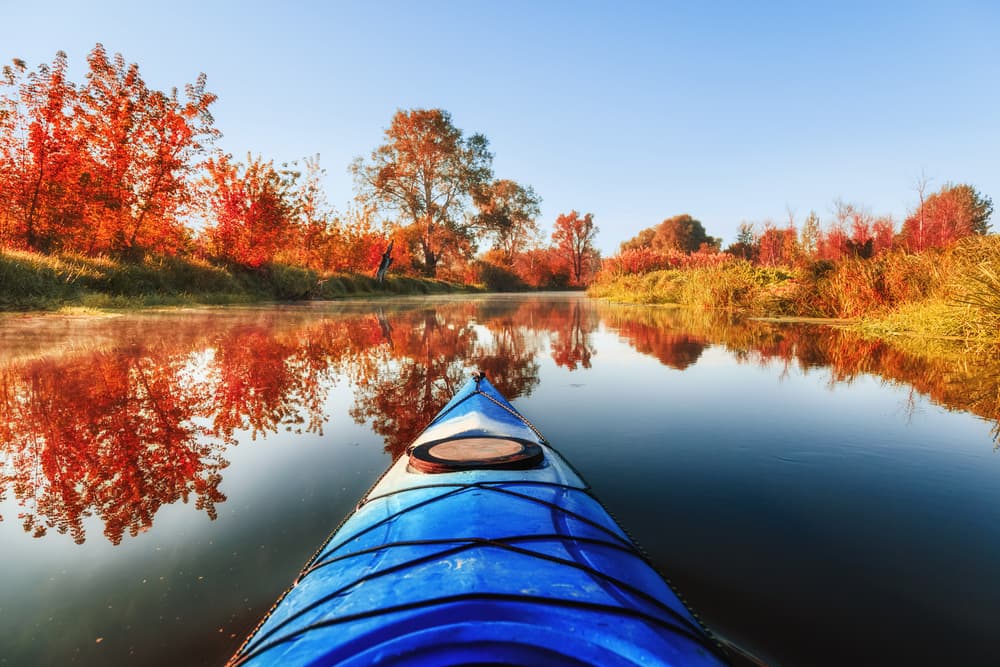
Paddling is a rewarding and exhilarating activity any time of year, but fall paddling adventures are particularly worthwhile. The hot summer weather is replaced with crisp air, and waterways are far less crowded than in peak summer months. There are also incredible foliage and wildlife viewing opportunities during this time of year. While this season has many benefits, there are also several safety issues you must anticipate before launching your vessel this fall.
When you paddle in the autumn, check the forecast, as the weather can change quickly. Dress for the water temperature, and wear layers that are easy to remove. Protect your extremities by wearing paddling gloves and insulating socks, and pack a thermos with a warm beverage to maintain a safe internal temperature. Paddle with a buddy whenever possible, and remember to stretch before entering the water.
Paddling is a fantastic way to enjoy the beautiful colors and sights that fall provides. This season also presents unique risks for paddlers. The good news is that if you are aware of the dangers, it’s much easier to stay safe. Keep reading to learn all the top ways to stay safe while paddling in the fall.
Top Ways To Stay Safe When Paddling This Fall
1. Check The Weather Diligently
Fall weather can be perfect for paddling, but this is not always the case. The change of seasons brings cooler temperatures but also unstable weather. It’s common for a day to begin warm and calm, and quickly turn windy, cold, and stormy.
Before you head to your ideal autumn paddling destination, you must check the detailed forecast. Ensure that the weather hasn’t shifted for the worse, and confirm there are no severe weather warnings in the immediate future.
2. Dress For The Water Temperature
Fall marks the return of cold, and even freezing, evening temperatures. This cold weather quickly lowers water temperatures. Therefore, when you paddle on warm days, there's a strong chance the water temperature is significantly lower than the air temperature.
This is why you must always dress for the water temperature, and not the air temperature. Confirm the water temperatures before you get dressed. In some regions, autumn paddling requires the use of wet or dry suits. Dressing for the water temperature will help prevent hypothermia and other cold-weather health issues, especially if you capsize.
3. Wear Paddling Gloves And Insulating Socks
Autumn is known for strong winds and cold, dry air. These conditions leave your extremities vulnerable. To combat this, it’s smart to wear paddling gloves and insulating socks. When you protect your feet and hands, you not only keep your body safer, but you are also more likely to have a more enjoyable time on the water.
4. Choose The Warmest Times Of Day To Paddle
In the summer months, it’s best to paddle in the morning or late afternoon, when the weather is cooler and there are fewer crowds. The opposite is true in the fall. It’s best to paddle during the warmer times of day, especially as the days become shorter.
Autumn months usually mean fewer people on the water, so paddling in the middle of the day shouldn’t present crowd issues. Choosing the warmest time of day to paddle will make the experience more comfortable, especially as the season gets progressively colder.
5. Remember To Stretch And Warm Up Before You Launch
Stretching before you paddle is always a good idea, but it becomes increasingly important to warm up your muscles as the temperatures drop. Cold weather causes muscles to tense up, which means you need to take time to loosen them up before exerting yourself.
If you skip stretching while paddling in the fall, you increase your risk of pulled muscles, spasms, and other bodily injuries.
6. Consider Choosing Shorter Routes
As the autumn season progresses, the days become shorter. You might love full-day kayaking journeys in the summer, but it is wise to dial these epic routes down a bit as the days become short and frigid.
Shorter routes can significantly reduce the risk of injury, especially when the weather is particularly cold and daylight hours dwindle. Pre-planning your route and leaving your paddling plan with someone on shore is a great way to stay safe as paddling season comes to a close.
7. Opt For Locations That Are Sheltered From Wind
Wind is one of the most important factors to consider in the autumn. This season is notoriously windy in many regions. Autumn winds can lower your body temperature and make normally placid waters choppy and hazardous.
To avoid the added complications that strong winds bring to paddling, consider choosing well-protected locations. Inlets, bays, and tree-line lakes are all great options. Remember to check the wind direction as well, as this can impact how choppy the water will be on your route.
8. Bring A Thermos
If you live in a colder region, then a thermos becomes a paddling essential in the autumn. Thermoses provide several safety benefits for paddlers in cold weather. Drinking warm beverages can help your body maintain its core temperature.
These insulated bottles also contain delicious liquid, which provides you with a delicious and creative way to stay hydrated. Furthermore, drinking a hot apple cider while floating along tranquil waters and looking at fall foliage is a treat that every paddler should experience.
9. Wear Easy-To-Remove Layers
To stay warm and safe on the water in the autumn, you have to think carefully about your clothing. Not only must you wear protective clothing, but also wear functional garments. Choose paddling materials that are ideal for paddling, that insulate and dry quickly.
Since fall paddling is all about wearing layers, you must opt for clothes that are easy to put on and take off. Avoid clothing that can snag easily, and ensure the zippers on your garments work seamlessly before you launch.
10. Test Your PFD
If you are new to cold-weather paddling, you must confirm your PFD fits properly when you wear extra layers. If you have several layers, including a thick insulating layer, your summer PFD might fit awkwardly.
Ensure your PFD is both secure and comfortable when you are wearing extra clothing. This will make your journey safer and more enjoyable.
11. Paddle With A Buddy
Paddling with a buddy is safer than paddling alone. With unstable weather and colder temperatures, a buddy becomes even more important. Capsizing in cold water while wearing several layers is much more dangerous than capsizing in the summer months.
Paddling in a group or with a buddy can offer fast and life-saving help if you fall in the water or find yourself in any dangerous situation on the water.
Related Articles

Canoeing in the spring is one of the most meditative and peaceful experiences you can have on the…

Razor’s Edge Pro series doesn’t just improve upon the inflatable kayak – it resets expectations. It…

SUP boarding is the perfect summer beach day activity, but it’s also a watersport you can enjoy in…

With its accessible price point and strong Amazon presence, Niphean inflatable SUPs are often grouped…