
Paddling Mistakes That Can Have Fatal Consequences (And Tips To Preventing Them)
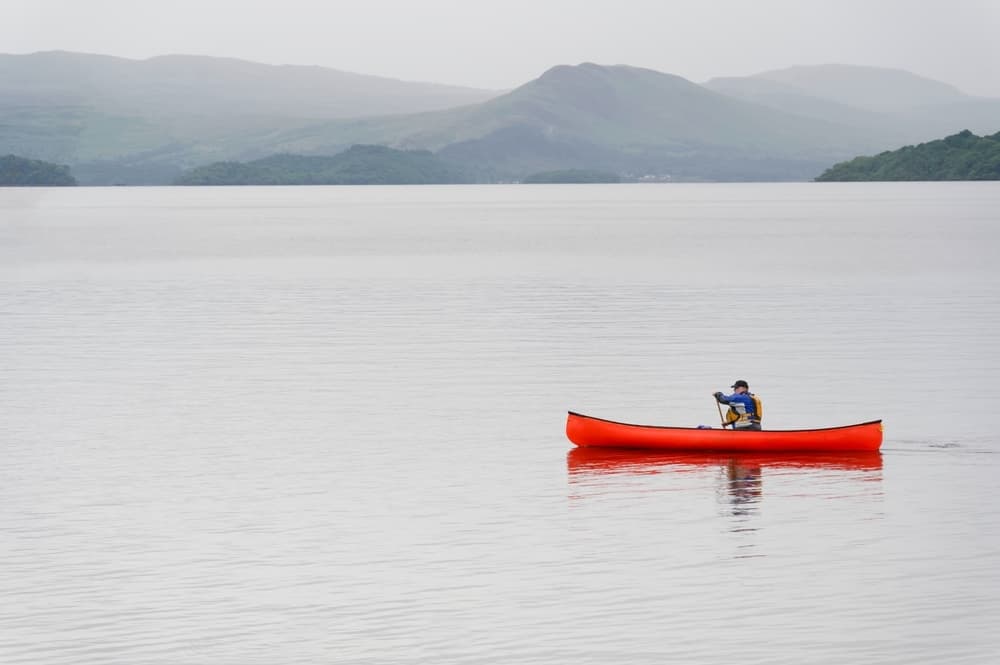
Paddling in a canoe, kayak, or on a SUP board can appear simple and safe to an inexperienced onlooker, but this hobby is deceptively dangerous. While experienced paddlers make it look easy, one must remember that expert paddlers have taken the time to learn the basics, which helps prevent mistakes. As you learn to paddle, you’ll find out that a seemingly simple error can have potentially fatal consequences.
Paddling mistakes that can severely injure and even kill you include not wearing a PFD or wearing it incorrectly, and failing to use other safety tools like a leash or helmet. Neglecting weather reports, failure to research currents, and poorly planned routes are reckless errors. Using damaged and subpar rental gear and neglecting to pack water and other essentials is risky and can have life-threatening consequences.
Paddling can be a relaxing hobby, but it also comes with some serious risks. Safety is paramount, and attention to detail is essential in staying safe and error-free on the water. To ensure you don’t make stupid and potentially life-threatening mistakes on the water, keep reading. Below is a list of some of the most common mistakes paddlers make that can have potentially deadly consequences.
Simple Paddling Mistakes That Can Have Fatal Consequences
1. No PFD Or Wearing a PFD Incorrectly
The most dangerous mistakes paddlers make involve PFDs. Neglecting to wear a PFD, even on a short and casual journey, can have fatal consequences. When kayaking, it’s easy to panic and even get trapped in your vessel briefly when you capsize. Even in shallow water, it’s possible to drown if you aren’t wearing a reliable PFD.
Wearing a PFD that doesn't fit or is faulty can also have fatal consequences. Before launching your paddling vessel, ensure you wear a properly functioning PFD with quality buckles that fit properly. This will make any paddling journey safer, even if you make other mistakes while paddling.
2. Ignoring Severe Weather Warnings
Paddling is more enjoyable in good weather. It’s also significantly safer. As you prepare for an upcoming paddling trip, remember to check the weather frequently. If you see potential for rain and strong winds, it’s best to postpone your paddle.
If you decide to paddle out in severe weather, you are gambling with your safety. Strong wind, rain, and lightning can cause serious challenges, and it’s never wise to paddle in these conditions. Furthermore, paddling in severe weather isn’t fun. No matter how eager you are to get on the water, it’s best to wait for good weather.
3. Forgetting A Leash Or Helmet
In addition to wearing a PFD, some paddling activities require additional safety gear. River kayaking and paddling in caves is much safer when you use a helmet. A head injury can render you unconscious, which is an extremely dangerous state to be in while on the water.
When using a SUP board, a leash is essential. If you SUP without a leash and fall in the water, you may find yourself far from your board, and even further from shore. In some cases, a leash is also important for your paddle on a kayak or canoe.
4. Using Damaged Equipment
Paddling out with damaged equipment is a recipe for disaster. Before you paddle, you should always inspect your equipment. This is particularly important when you rent paddling gear on vacation. Check the vessel and paddle for cracks and signs of damage.
You should also inspect any rental PFD for signs of damage. If you venture out without checking for issues, you can find yourself in trouble far away from shore.
5. Failure To Research Currents And Paddling Routes
Currents are a hidden danger every paddler must be aware of. Luckily, most currents are documented on maps and navigation apps, especially when you paddle in salt water. If, however, you fail to research currents and hazards along your paddling route, you are putting your health at risk.
A paddler should always map out a planned route and understand the risks involved. Asking local experts and consulting charts is a good start. Heading into unfamiliar waters without doing any research beforehand can put your life in jeopardy.
6. Neglecting To Practice Capsize Recovery In Advance
No one wants to capsize, but it’s something that happens to even the most experienced paddlers. Capsizing is a jarring and sometimes scary experience, which is why it’s important to practice capsize recovery.
If you’ve never practiced capsize recovery, then you are putting yourself at a serious disadvantage. You’ll have to learn how to safely pull yourself back into your vessel in challenging conditions, which can be quite dangerous.
As you learn how to paddle, practice capsize recovery in shallow waters. This will give you valuable experience and prepare you for real-life capsizing events.
7. Failure To Pack Safety Supplies
You should never paddle into open water without ensuring you have paddling essentials. If you head out with only a paddle in hand, you might forget something that can save your life.
Every paddling adventure requires some essentials. Always bring a first aid kit, plenty of water, paddling snacks, navigation equipment, and a communication device.
Packing these essentials is only the first step. You also must pack items like first aid and electronics in a quality dry bag to keep them safe.
8. Neglecting To Conserve Energy
Overambition is a flaw many paddlers experience from time to time. This is especially true at the start of paddling season. Paddling too strongly at the beginning stage of a paddle can cause serious complications. It can cause injuries like pulled muscles and cramps, which can leave you in pain far from shore.
Paddling too strongly at the start of a journey can also cause exhaustion, making it challenging for you to finish your route.
When you paddle, keep a steady and conservative pace. Have planned stops where you can rest your body and hydrate.
9. Wearing The Wrong Clothes
The clothing you wear while paddling can impact your safety in a major way. First, you must remember to dress for the water temperature, not the air temperature. This is particularly important when paddling in cold waters.
Quick-dry paddling clothing materials are always ideal, and it’s smart to pack an extra insulating layer in a dry bag. You should also wear footwear that you can easily remove in case of emergency, and clothing that won’t snag on your vessel.
10. Paddling Solo As A Beginner Or In Unfamiliar Waters
Another common and dangerous mistake many novice paddlers make is to venture into open water without a paddling buddy. Even in calm waters, it’s never a good idea to paddle long distances without another (more experienced) paddler.
Paddling with a buddy is both fun and safe. It’s always better to paddle with someone else, as they can help you out in case of an emergency. If you are new to paddling, then you should always paddle with a buddy.
11. Forgetting To Leave A Paddling Plan With Someone On Shore
A paddling plan is detailed information about a planned paddling route that includes a map and estimated departure and arrival times. You should leave this plan with someone on shore. This information is vital for rescue workers if you go missing.
If you’re new to paddling, you might not know what a paddling plan is, but you should educate yourself on this practice before taking any long paddling adventures. A paddling plan is easy to make and can save your life if something goes wrong on the water.
Related Articles

Canoeing in the spring is one of the most meditative and peaceful experiences you can have on the…

Razor’s Edge Pro series doesn’t just improve upon the inflatable kayak – it resets expectations. It…

SUP boarding is the perfect summer beach day activity, but it’s also a watersport you can enjoy in…

With its accessible price point and strong Amazon presence, Niphean inflatable SUPs are often grouped…