
Dos and Don’ts When Paddling Around Coral Reefs
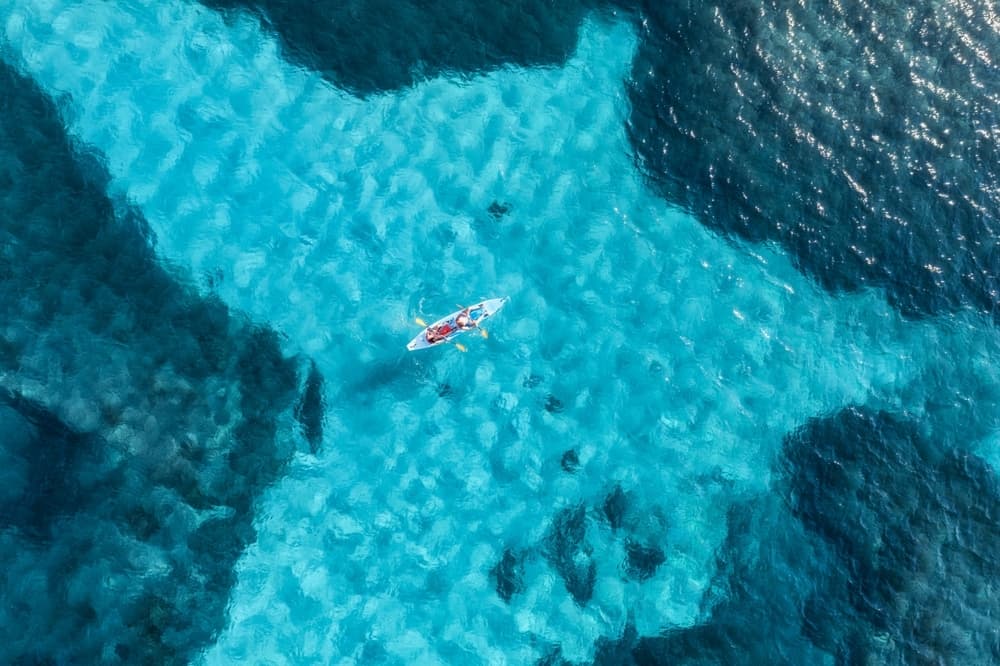
Paddling to a nearby reef to snorkel and immerse yourself in underwater magic can be an epic adventure. There are even some elusive reefs that can only be accessed by a paddling vessel. While these paddling trips are usually unforgettable, there are several things you should remember to do (and not do) before you head out to a reef.
Whenever paddling near a coral reef, remember to keep your distance from the coral, check the tides, and be aware of potential currents. Bring snorkel gear and remember to wear reef-safe sunscreen if you plan on jumping in the water. Always anchor away from the reef, and never paddle over a shallow reef. Avoid paddling on windy days, and always bring at least one buddy along for the adventure.
Paddling and snorkeling are two of the best ways to enjoy all the wonders that the ocean has to offer. If you’re able to combine these two activities, then all the better. Before you venture out on a paddling trip to a coral reef, however, there are several dos and don’ts you should know to ensure you stay safe and keep already vulnerable coral reefs out of danger.
Do These Things When Paddling Near Coral Reefs
1. Pay Attention To Tides And Currents
If you’re planning a paddling trip to a coral reef, you need to be aware of the tide schedule and the risk of strong currents. Since most reefs are shallow and are often surrounded by deeper water, there is a risk of strong currents.
When tides shift, the risk of strong currents increases. Furthermore, some reefs become incredibly shallow at low tide. While this can sometimes be good for snorkeling, it can make paddling over the reef dangerous or even impossible. Do your best to paddle at slack tide, as this will make paddling easier and likely improve snorkeling as well.
2. Wear Reef-Safe Sunscreen
Coral reefs worldwide are bleaching and dying. Therefore, you must do all you can to protect coral when you paddle and swim around a reef. One of the best ways to minimize your impact when paddling and swimming near a coral reef is to wear reef-safe sunscreen. Reef-safe sunscreen helps protect reefs, and helps make you a more eco-friendly paddler.
Reef-safe sunscreens use minerals to block UV rays instead of chemicals that can damage a reef’s ecosystem. It’s equally important to protect the reef as it is to protect your skin from sun damage.
3. Keep Your Vessel At A Safe Distance
When you map out your paddling route around a coral reef, you should plan to keep a safe distance from the reef. For one, if you paddle over a shallow reef, you can damage it with your paddle or your vessel.
Furthermore, there are often waves and rougher waters directly over a reef. To keep yourself and the coral safe, avoid getting too close to the reef, particularly at low tide or when the reef is noticeably shallow.
4. Bring Snorkel Gear
While paddling near a reef is enjoyable, it’s best to get in the water to truly embrace the magic of these underwater ecosystems. Always bring snorkeling gear when you paddle around coral reefs, especially if you have even the slightest inclination to jump in the water.
If the conditions aren’t favorable, you shouldn’t snorkel, but if you don’t bring your snorkeling gear, there is a strong possibility you’ll regret it.
5. Research The Reef In Advance
Always do some research before you head out to a coral reef in your paddling vessel. Learn what kind of marine life you can expect to see, and find out what the reef is known for. You can often get great tips, such as which tide is best, where to anchor, and what hazards to be aware of.
Having advanced knowledge ensures you won’t miss out on any of the highlights the reef has to offer, and it will also help keep you safe in the process.
6. Remember A GoPro Or Waterproof Phone Case
Coral reefs offer a fantastic chance to take great underwater photos and videos you can cherish forever. Always remember to bring either an underwater action camera, like a GoPro, or at least a waterproof phone case. Paddling to a reef and then exploring it is an epic adventure, so you should have a device that can capture the moment.
7. Wear Bright Colors
If you plan to leave your paddling vessel to swim close to the reef, you must make yourself visible. Coral reefs are popular locations for motorized vessels, which means you need to ensure those driving boats can see you clearly.
Wear a bright PFD or sun shirt, and try to make your paddling vessel colorful and reflective. Reflective clothing or a swimming buoy are also great ways to remain visible in the water.
Avoid These Things When Paddling near Coral Reefs
1. Don’t Paddle Over A Shallow Reef
One of the worst mistakes you can make when paddling near a coral reef is to paddle directly over a shallow reef. For one, you can capsize your boat and fall onto sharp coral. Even if you don’t capsize, there is a strong possibility that you may damage the reef, which is the last thing you want to do.
If you can see the reef, or notice waves or some chop on the surface, you should stay clear and keep a safe distance.
2. Don’t Drop An Anchor On Coral
If you plan to leave your paddling vessel to snorkel and explore the reef, you must be very careful where you choose to anchor. While it might be tempting to drop your anchor right next to the best part of a reef, there’s a chance your anchor can hit coral heads.
Before you drop your anchor, ensure it's set in sandy ground. This will prevent it from killing coral and from getting stuck.
3. Don’t Venture To A Reef Near Strong Currents
While many reefs are located near the shore, this does not guarantee that it’s safe to paddle out to them. There are often strong channels between the shore and a reef, which can make paddling strenuous and even very dangerous.
Don’t jump in your paddling vessel and head to a coral reef without ensuring it’s safe to do so. Ask local experts, research the reef, and look for visual signs of current. If the current looks too strong, don’t go out.
4. Don’t Go Alone
Whenever you plan to anchor and swim while paddling, it is always a good idea to bring at least one paddling buddy along. Disembarking from your paddling vessel near open water can create additional safety risks.
When you bring a buddy, you have someone to help you anchor, and it will be much easier to get in and out of your vessel. Furthermore, the more people you go with, the easier it is for boaters to see you.
5. Don’t Venture Out On Windy Days
Wind is a paddler’s nemesis. It’s usually a bad idea to paddle on windy days, and it’s a particularly bad idea when you plan on paddling around coral reefs. Wind can make it harder to steer, which means you may unintentionally drift over a shallow reef.
Wind can also make anchoring a challenge. Strong winds make the water choppy and often reduce visibility, making snorkeling less enjoyable.
Related Articles

Canoeing in the spring is one of the most meditative and peaceful experiences you can have on the…

Razor’s Edge Pro series doesn’t just improve upon the inflatable kayak – it resets expectations. It…

SUP boarding is the perfect summer beach day activity, but it’s also a watersport you can enjoy in…

With its accessible price point and strong Amazon presence, Niphean inflatable SUPs are often grouped…