
What To Check In The Forecast To Make Sure It’s Safe To Paddle
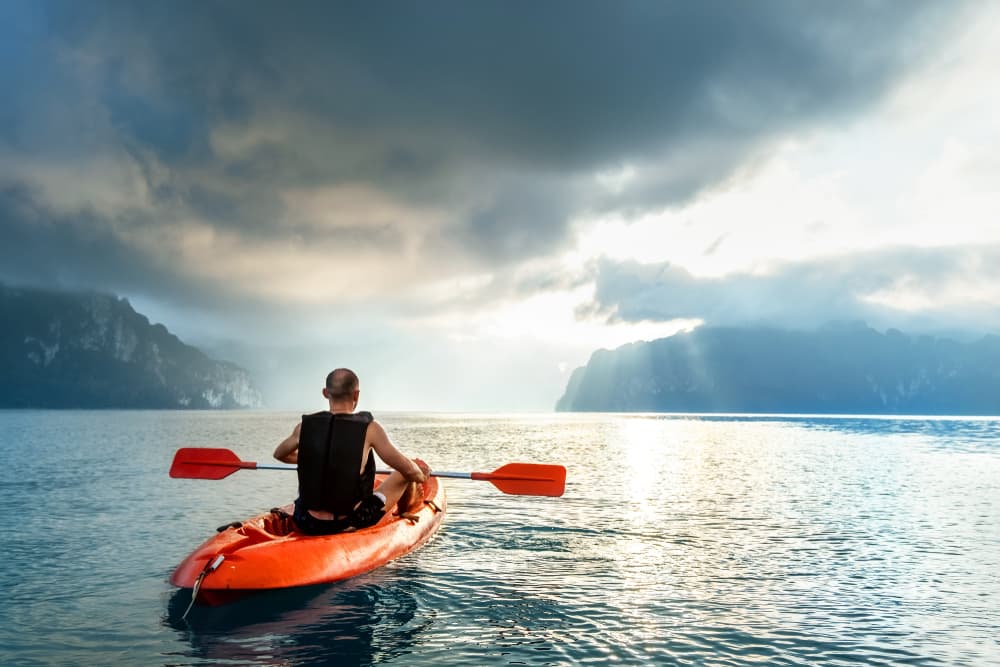
I went for a quick jaunt in a canoe one unseasonably warm and sunny morning not long ago. By the time I finished the one-hour trip, the weather had gone from blue skies to a full-on snowstorm. That was in Tierra del Fuego, but sudden weather shifts can happen to anyone, anywhere.
Weather can change in an instant, turning a casual sightseeing route into a treacherous and uncomfortable journey. Therefore, it’s crucial you not only check the current weather but also know what to look for in the forecast before launching your paddling vessel.
Some of the most important information you need to check in a weather forecast before paddling includes the wind speed and direction, UV index, and chance of precipitation. Air temperature is an important factor, but you must also check the water temperature when planning what to wear while paddling. When paddling in ocean waters, check the tide and waves forecast. If there is a severe weather warning, don’t paddle.
It’s always a good idea to check the daily forecast before embarking on any outdoor adventure, but neglecting to check the weather before you paddle can result in various terrifying scenarios on the water. It’s easy to check a weather app, but knowing what to look for is more nuanced. Keep reading to learn all the weather factors you need to check before launching your paddling vessel.
10 Things To Check In The Weather Forecast Before Paddling
1. Chance Of Precipitation
Rain can turn a wonderful day on the water into a miserable and even dangerous experience. Rain tends to churn up waters, significantly decreases visibility, and makes it very difficult to paddle safely. It’s also not very fun to paddle in the rain, especially if you aren’t prepared for it.
Always check the chance of precipitation before you head to a launch location. If there is a strong possibility of heavy rains, then it’s best to rethink your plans and save paddling for another day. If there is any chance of rain in the forecast, ensure you have rain gear, an extra dry bag, and a change of clothes in case you are surprised by a rain shower.
2. UV intensity
Sunny days make for great paddling weather, but the sun comes with its own problems. UV rays and prolonged sun exposure can cause sunburn and a myriad of heat-related ilnesses. Luckily, most weather apps include UV intensity in the daily forecast. If the UV index is high, ensure you pack extra sun protection.
Cover your skin with breathable and UV-blocking materials, and wear a wide-brimmed hat and paddling sunglasses. Bring ample water to avoid dehydration. Dressing and packing appropriately on sunny days helps ensure a painless, enjoyable paddle.
3. Wind Speed
Of all the weather variables you must consider when paddling, wind is often the most important. A windy day can make even the most protected bodies of water dangerous. Strong winds make it very difficult to steer, and battling them can quickly tire out even the strongest paddlers.
If the forecast calls for strong and unpredictable winds, you should reschedule your paddling trip for a calmer day. Pay particular attention to wind gusts, as dangerously gusty conditions can cause dangerous water conditions and make capsizing far more likely.
4. Air Temperature
The first thing most people check when looking at the daily weather report is temperature, and it’s something you must factor into your day when paddling as well. Air temperature gives you a good idea of what to expect on the water.
Colder days may require different paddling clothing than warmer ones. You may even want to rethink your route based on the temperature, with coastal routes ideal for cool, breezy days and open water a nice option when the forecast looks warmer.
5. Wind Direction
Wind speed isn’t the only aspect of the wind that matters when you check the weather. In most cases, wind direction is equally important, especially when paddling in coastal and open water environments.
Ideally, you want the wind coming from a protected direction. In most cases, this means from land. If you’re paddling on open ocean, and the wind is coming from the sea, you can expect choppy waters and cooler temperatures. Wind direction can often give you a more complete and accurate picture of the conditions you’ll face on the water.
6. Water Temperature
Air temperature might help you anticipate your day of adventure, but water temperature is what you should use to plan what to wear. One cardinal rule of paddling is that you must dress for the water temperature, not the air temperature.
Checking the water temperature is particularly important in colder environments and in early spring, when water temperatures are often significantly colder than air temperatures. Water temperature is rarely listed on most weather apps. Therefore, you must seek out alternative sources, including NOAA and Windy.app.
7. Tide Forecast
If you’re planning to paddle in salt water, then you need to be aware of tides and potential currents. The tide can change your paddling route, launch location, and impact which direction you should navigate.
Always check the tide charts, and consider planning your route around slack tide. Slack tides are often the safest times to paddle, as currents are more predictable and less extreme. If you’re paddling in shallow waters around hazards like coral reefs, then high tide is likely your safest option.
8. Monitor Radar
As a paddler, you must look at detailed forecasts, not just daily snapshots. Furthermore, to become an accurate weather forecaster, you should also find a reliable weather app that includes radar and satellite imagery.
Monitoring the radar gives you a detailed visual look at what weather is heading your way. It’s particularly helpful when you’re paddling in a tropical climate that’s prone to sudden thunderstorms, or on days when rain is probable, but not certain.
9. Swell Predictions
If you’re paddling in the ocean, whether it’s in a canoe, kayak, or SUP board, you must check the swell and wave report. The weather can be sunny and calm, but offshore swells can make paddling incredibly dangerous.
Like water temperature, ocean swells aren’t available in most weather apps, so you must check oceanic websites for this information. If swells look abnormally high, consider paddling in a protected bay or in fresh water instead.
10. Potential For Sudden Storms
One of the biggest red flags every paddler needs to watch out for in a weather forecast is the potential for sudden and severe weather. Strong wind gusts, thunderstorms, and heavy downpours are all conditions every paddler must diligently avoid.
If there are any severe weather warnings in the daily forecast, then you should not paddle. Weather warnings exist for this exact reason. Severe weather can cause flooding, raging rivers, extreme wind, and make you a sitting duck when lightning strikes.
Related Articles

Photo by Desintegrator, Shutterstock. For many adult paddlers, a cold beer or delicious cocktail is the…

Photo by: Dmitri T, Shutterstock Regardless of whether you’re an expert paddler with decades of…

I’ve been on paddling tours all over the world, from New England to the Galapagos Islands. While every…

Paddling often appears simple and safe enough when you’re a spectator watching from afar. But when you…