
Essential Tips Every New Paddler Must Know
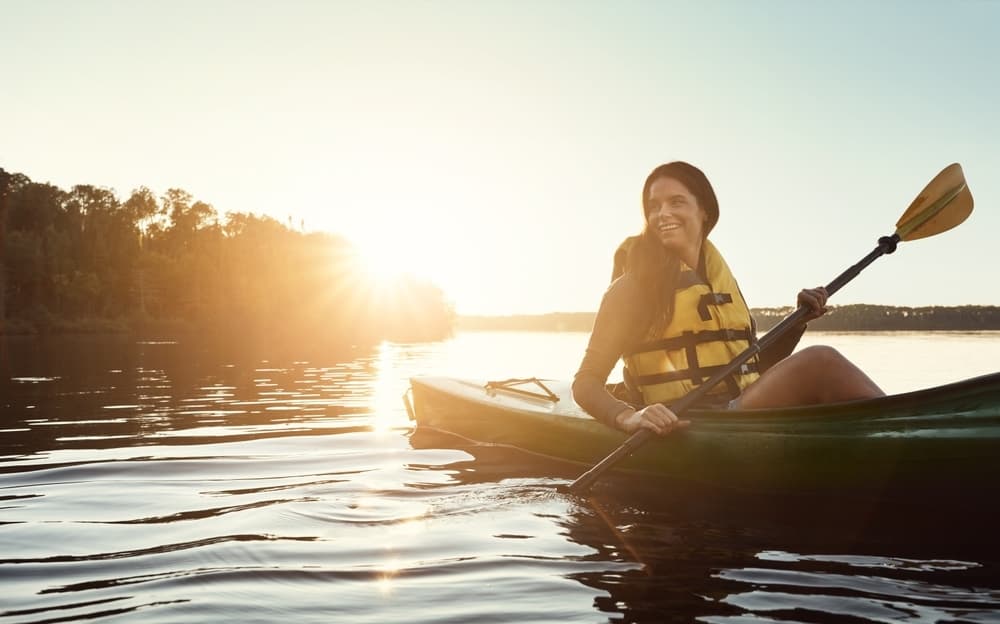
Paddling often appears simple and safe enough when you’re a spectator watching from afar. But when you enter a paddling vessel for the first time and feel the boat or board tilt dramatically with your every move, you may feel unsafe and nervous if you haven’t learned a few paddling basics in advance.
Before venturing out on your first paddling adventure, ensure you have a PFD that is functional, comfortable, and fits properly. Never paddle alone, especially as a beginner, and ensure you dress appropriately for the weather and the water. Learn how to hold your paddle correctly and practice a strong paddling posture before launching your vessel. Practice capsize recovery and start with short, safe coastal routes.
Whether you’re planning on joining your first paddling tour or you simply can’t remember the last time you’ve been on a kayak or SUP board, there are a few basic principles you need to commit to memory. Reading the list of tips below will give you advice and the fundamentals everyone should know before launching a kayak, canoe, or SUP board for the first time.
8 Helpful Tips All Beginner Paddlers Need To Know
1. Wear A Quality PFD
If you remember only one paddling tip before your first adventure, it should be that you must always wear a reliable Personal Floatation Device (PFD). Paddling is a safe activity, but accidents can happen in even the calmest waters, especially as a beginner.
In addition to always wearing a PFD, you should first test it to ensure it functions and fits properly. If you’re purchasing a PFD, find one that is both effective and comfortable. An uncomfortable life jacket can put a damper on a paddling trip.
2. Bring A More-Experienced Paddling Buddy Along
It’s never a good idea to paddle alone, and if you’re an inexperienced paddler, you must bring along a more seasoned paddler. You can find a paddling buddy or join a tour with an experienced guide.
Paddling with an experienced buddy has tons of benefits. For one, they can give you pointers along the way and answer any questions you may have on your maiden paddling voyage. They also tend to bring all the essentials you might need on a journey, some of which you might not even know exist.
3. Dress For The Water And Weather
Remember that just because you paddle above the water, it doesn’t mean you won't take an unintentional swim at some point. Therefore, you should always consider your clothing before paddling.
In addition to dressing for the water temperature, always choose light, quick-drying fabrics. Never wear bulky or impractical garments, or low-hanging jewelry. You should also diligently check the weather before you paddle. The forecast will let you know what kind of sun, wind, and rain protection you might need for the day.
4. Hold Your Paddle Correctly
When you’re a seasoned paddler, holding a paddle correctly is second nature. Beginners, however, almost always hold a paddle wrong. When holding a kayak paddle, ensure the concave side faces inward, and remember you should be able to read the logo easily (if there is one). If the logo is upside down, then you’re probably holding your paddle wrong. When holding a SUP paddle, the blade should angle forward to provide a more powerful stroke.
Ask your paddling buddy if you’re holding your paddle correctly, and ask if your grip and stance are decent as well.
5. Begin On Placid And Protected Waters
On your first few paddling journeys, avoid introducing unnecessary risks or added challenges. One great way to help ensure a smooth ride is to pick a reliably placid body of water. Small lakes are often a great option, as are sheltered bays with minimal surf and mild currents.
Avoid busy waterways, areas with unpredictable currents, and spots with hidden hazards.
6. Use Your Posture To Activate The Right Muscles
New paddlers often think this watersport is all about utilizing the upper body. While your arms play a crucial role in paddling, this is just one of many muscle groups you should activate while paddling. Your core muscles and even your lower body play a crucial role. To ensure you’re using all the right muscles, you need the right posture and positioning while paddling.
Ask your guide or paddling buddy for help with how to sit to ensure a powerful, even stroke. Not only will this reduce the risk of injury, but it will also ensure you don’t tire out prematurely.
7. Practice Capsize Recovery In Shallow Water
Part of being prepared is planning for the unexpected. No one wants to capsize, but it happens all the time, and it can even occur on your first paddling adventure. Capsizing is a jarring experience, and it can be altogether terrifying if you aren’t prepared for what comes next.
Ask your paddling buddy to show you capsize recovery techniques in shallow water before you head into deep water. Practicing re-entry techniques will give you crucial knowledge and confidence if you capsize in the future.
8. Start With Short And Manageable Routes
Another way to ensure your first paddling trips are enjoyable successes is to choose a smart, manageable route. For starters, opt for a short route. Even if you are in good physical condition, paddling is likely to work some muscle groups you don’t use every day.
Furthermore, choose a route that doesn’t venture into open water. Staying close to the coast usually means calmer waters, making it easier to reach shore safely if you have an unexpected problem.
Related Articles

Photo by Desintegrator, Shutterstock. For many adult paddlers, a cold beer or delicious cocktail is the…

Photo by: Dmitri T, Shutterstock Regardless of whether you’re an expert paddler with decades of…

I’ve been on paddling tours all over the world, from New England to the Galapagos Islands. While every…

I went for a quick jaunt in a canoe one unseasonably warm and sunny morning not long ago. By the time I…