
Top Accessories And Tips For Winter Paddlers
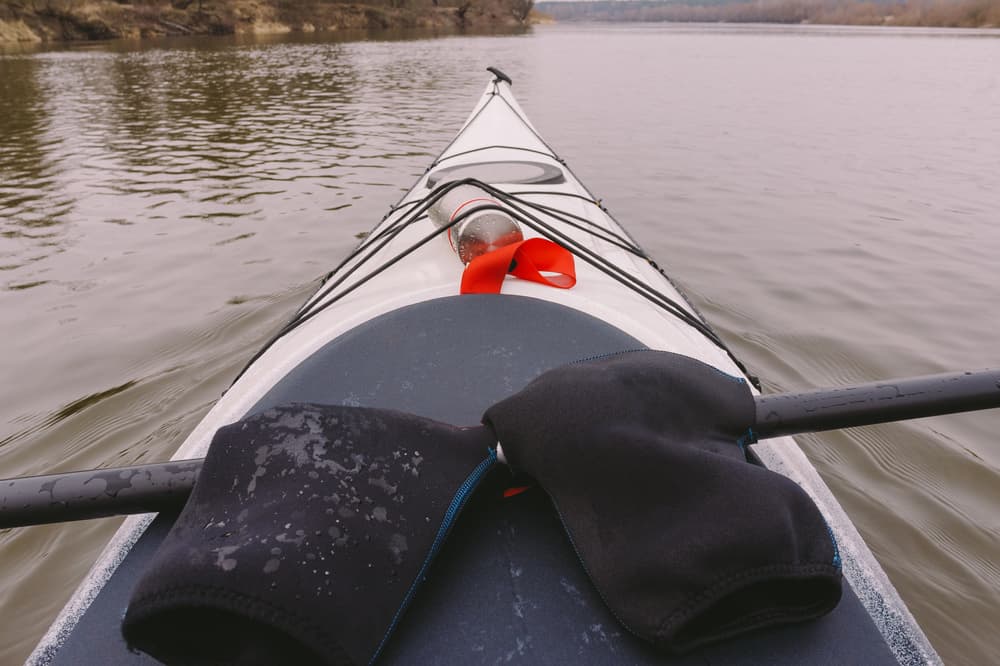
Embarking on a winter paddling journey has a serene and desolate charm all its own. There are fewer paddlers, better views, and new wildlife viewing opportunities once the leaves fall and cold weather sets in. But being on the water in winter can be unbearable and dangerous if you don’t know what you’re doing or have the right gear.
Some of the top accessories every paddler needs for cold winter waters include insulating gloves and boots, a waterproof hat, and a dry suit or wet suit. Anti-glare sunglasses are essential when paddling on sunny days around snow, and an insulated thermos is a great asset to keep you warm and nourished on your journey. Always check the weather before paddling in winter, and opt for short, sunny paddles when conditions are milder.
Paddling always comes with some safety risks, regardless of how comfortable you are on the water. In the winter, when waterways are nearly frozen, the risks and dangers increase significantly. To ensure you are both safe and comfortable while paddling in winter waters, read our list of top accessories and tips for paddling during the coldest time of year.
Eight Accessories Every Paddler Needs For Winter
1. Paddling Boots
To stay warm and comfortable in frigid waters, you must always protect and insulate your extremities. Your feet are particularly vulnerable on the water in winter, as they are closest to the cold water.
Always wear insulting and waterproof paddling footwear. Neoprene boots work well in most cases. Ensure the shoes are durable and have a grip so you can safely enter and exit the water without falling in.
2. Dry Suit Or Wet Suit
In colder climates, laying simply isn’t enough to stay safe on the water. A dry suit or a wet suit becomes imperative when paddling in freezing waters in the dead of winter. Remember, you must be prepared to fall in the cold waters, not just ready to paddle above them.
Whether you opt for a wet suit or a dry suit is up to you, and it usually depends on both comfort and conditions. When paddling in extreme cold, a dry suit with proper insulation is usually best.
3. Waterproof Insulating Hat
Protecting your head is crucial to maintaining a safe body temperature in winter waters. If you leave your head bare, you can lose upwards of 50% of your body heat through it. If you plan to paddle throughout the winter, buy a specialized waterproof hat, ideally made of neoprene.
A typical winter hat may keep you warm when it’s dry, but once it’s wet, it will actually hurt you more than help you. Always wear a waterproof hat when paddling in cold conditions.
4. Gloves And Pogies
Your hands are another extremity you need to protect to stay both comfortable and safe while paddling in the winter. If you don’t have gloves, your hands will quickly feel frozen and hurt tremendously.
In addition to quality insulated and waterproof paddling gloves, you should also invest in pogies if you plan to kayak a lot in the winter. Pogies offer an added layer of insulation and splash protection.
5. Anti-Glare Sunglasses
The sun’s rays might not be as intense in the winter, but the glare can be fierce. Glare can even be blinding if you paddle in snowy conditions, where the white reflects light into your eyes. Wear UV-protectant, anti-glare paddling sunglasses anytime you paddle in the winter.
These glasses will protect your eyes and also make it easier for you to navigate on your winter paddling route.
6. Insulated Thermos
Winter paddling can be a cozy and wholesome experience if you pack the right gear. An insulated thermos is a great way to stay warm and nourished on a cold day of paddling. You can fill your thermos with hot tea, soup, or anything warm that you want to enjoy on your journey.
7. Quick-Drying Insulating Layers
Paddling in warm clothes can become hot, sweaty, and uncomfortable if you don’t have easy-to-remove clothing. Always dress in layers that you can peel off with little effort. Have a lightweight insulating layer made of fleece or another material that’s good for paddling.
Always have a waterproof layer on the outside to protect yourself from splashes of frigid water.
8. Reliable Dry Bag With Extra Clothing
In the unfortunate event that you capsize in ice-cold waters, you’ll want warm, dry clothes to replace your soaked layers. Always bring a large, reliable dry bag with you that includes a change of clothes, especially one extra insulating layer and a quick-dry towel. Being prepared with extra clothes will keep you warm and cozy while paddling in the winter, and it can even help prevent hypothermia.
Tips To Remember When Paddling This Winter
1. Ensure Your PFD Fits Correctly Over Your Winter Layers
PFDs are essential when you paddle in cold water, but getting your favorite life jacket to fit over your winter clothes can be a challenge. Before you head out on your first winter paddle, ensure your PFD fits comfortably and safely around your body with all the extra layers.
Make any adjustments you need to before you launch, or buy a new PFD specifically for winter paddling if your summer PFD isn’t cutting it.
2. Dress For The Water Temperature
If you are new to paddling in cold waters, remember the most essential rule: dress for the water temperature, not the air temperature. If you paddle on a pleasant, sunny winter day, you may think you can get away with lighter layers. Once you are in the freezing waters, however, you will realize you are underdressed. Always research water temperatures at your paddling location, and dress accordingly.
3. Check The Weather Thoroughly And Frequently
Winter weather can be very moody in some regions. Calm and sunny days can turn dark and windy within minutes. To ensure you pick the most enjoyable and safe days to paddle in the winter, check the weather often, especially right before you venture into the water.
4. Opt For Short, Sunny Midday Routes
Try to reduce your paddling routes in the winter. Remember, you can have an exciting and invigorating time on the water in the winter in just a few short hours. Choose short routes that stay close to the shore and block wind and waves.
Whenever possible, paddle at midday, when the sun is at its highest and strongest. This will create the most enjoyable and warm paddling experience you can hope for this season.
5. Be Aware And Cautious Of Winter-Specific Hazards
The winter months pose unique and potentially lethal paddling hazards that aren’t present in other seasons. Frozen water, unique currents, and changing winds can all transform a familiar paddling spot into something new and dangerous.
Always familiarize yourself with a paddling route and understand its dangers before you venture out.
Related Articles

SUP boarding is the perfect summer beach day activity, but it’s also a watersport you can enjoy in…

The autumn months usher in all the coziest things. It’s sweater weather, pumpkin spice season, and…

Credit: IZZ HAZEL Paddling on vacation checks a lot of boxes. On a kayak, canoe, or SUP board, you can…

The backbone of any paddle - the one structure that ties every part of the paddle together, from the…