
10 Signs It’s Time To Buy A New PFD
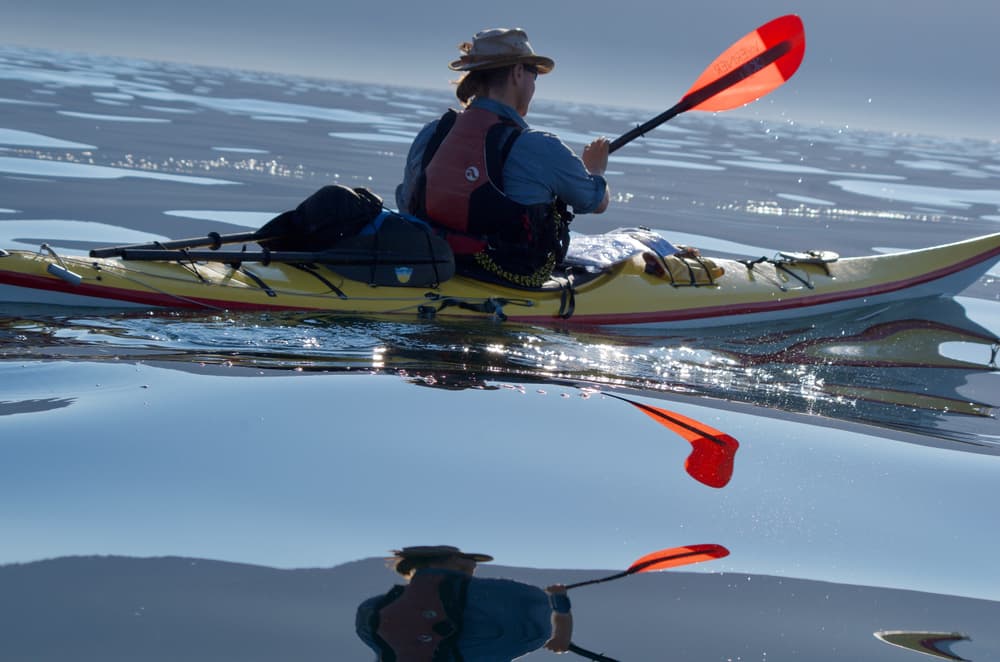
Your PFD is arguably the most important piece of paddling equipment you own. While your vessel and paddle are certainly crucial, it’s your PFD that can save your life when an adventure goes sideways. In addition to always wearing a life jacket, you also must ensure it’s in good condition before you put it on. To ensure you’re always paddling safely, you must know the warning signs that it’s time to buy a new PFD.
Some of the most obvious visual signs that it’s time to purchase a new PFD include rips and tears in your life jacket, mold or mildew stains, and a sun-damaged and brittle exterior. If your life vest feels heavy or waterlogged, or is lumpy, then buy a new one. If it no longer fits or the hardware is broken or rusted, you should get a replacement promptly.
Wearing a life jacket can save your life and make capsize recovery much easier, but only if your PFD works properly. If you’ve had your PFD for many years or are taking it out of storage after a long winter, then you should inspect it for damage and vulnerabilities. Below is a list of all the signs it’s time to replace your old PFD.
How Often Should I Replace My PFD?
Before you learn all the telltale signs that it’s time to buy a new PFD, you must first understand how long the average life jacket lasts. Generally, a PFD should last 2 to 10 years.
The longevity of your specific PFD depends on several factors, including its quality, how often you use it, and how well it’s maintained. With so many variables to consider, it’s important you know how to spot all the red flags that your PFD is no longer functioning optimally.
10 Signs That You Need To Replace Your PFD
1. It Feels Heavy Or Waterlogged
One of the most obvious signs that your PFD is no longer functioning properly is when it’s heavier than normal and retaining water. A waterlogged PFD is most likely absorbing water in areas where it should be filled with air.
If your PFD holds water instead of air, then it won’t float properly, or at all. In addition to being cumbersome and uncomfortable, a waterlogged PFD is downright dangerous. If your life jacket has started to retain water, then it’s time to buy a new one.
2. Noticeable Rips Or Holes
Rips, holes, and tears are major red flags to watch for when inspecting your PFD. This type of surface damage can cause all sorts of problems, making your PFD less effective and even rendering it useless.
When there are exterior rips, water can seep into the life jacket. These openings make it less buoyant and makes the floating foam inside vulnerable. Large holes and rips can also cause the foam to fall out. If your PFD has this type of exterior damage, then it’s smart to find a replacement right away.
3. It Doesn’t Float When You Test It
When you inspect your PFD, you need to do more than look at its exterior. You must also test it in water. After all, there is no better way to test your PFD than to submerge it in water. The best way to perform a float test is to strap on your life jacket in shallow water.
If you float easily, then your PFD is likely functioning properly. If, however, your PFD doesn’t float at all, or you notice your body slowly sinking, then there is an underlying issue. If you sink in your PFD, then it isn’t safe, and you should wear a different one on your next paddling trip.
4. It No Longer Fits
As the years pass, your body is likely to change. Perhaps you’ve put on a few pounds or lost a lot of weight. Or maybe you’ve transitioned from paddling in warm conditions to cold water that requires bulkier clothing. Regardless of the reason, there may come a time when your current PFD no longer fits.
For your PFD to operate effectively, it must fit securely and zip or buckle completely. If your PFD doesn’t buckle or zip, it won’t work effectively. Always try on your PFD to make sure it fits, especially after taking a long break from paddling. When you take your equipment out of storage, always inspect your gear before paddling out.
5. Frayed Mesh Or Webbing
Most PFDs feature some type of mesh, webbing, or both. Since the mesh has many small holes, it’s vulnerable to rips and tears. If there is a large hole in your mesh webbing, it can potentially get snagged on your vessel, which can have dangerous consequences.
Webbing is usually located on straps, buckles, and near the foam on your PFD. It’s strong and designed to keep your PFD durable and long-lasting. If it’s begun to fray, then this is an early sign that it’s time to pick out a new life jacket.
6. The Foam Has Shrunk Or Changed Shape
The size and consistency of the foam inside your PFD can also indicate its effectiveness. The foam in your life jacket can shrink over time. Shrinking can be caused by extreme heat, UV rays, saltwater, and time.
You may also notice that the foam has become lumpy, which is often caused by prolonged and improper storage. Lumpy and shrunken foam usually results in a less buoyant PFD, and in many cases, this renders the life jacket unreliable.
7. Sun-Damaged And Brittle Exterior
The sun and its harmful UV rays can damage your PFD over time. If you don’t properly store your PFD and instead leave it in direct sunlight, then the sun will quickly start to break down your life vest’s exterior.
If you notice discoloration or frayed, brittle fabric caused by sun damage, you might need to get rid of it and buy a new one. Always properly store your PFD in a cool, dry place out of direct sunlight.
8. Noticeable Mold Or Mildew
Mold and mildew are fungi that you never want to find on any of your paddling gear, especially your PFD. Not only are mold and mildew smelly, gross, and unsightly, but they are also a clear sign that you didn’t store your life jacket properly.
Mold and mildew can destroy fabrics and compromise the structural integrity of your PFD. If mold is all over your PFD, it could be irreversibly damaged. Once you clean the PFD, test it to ensure it still functions properly before using it in open water.
9. Rusty Metal Or Broken Plastic Parts
Nearly every PFD contains metal, plastic, or both. Plastic and metal components are often crucial, as they include safety buckles, zippers, and other hardware that keep your PFD securely fastened to your body.
If the metal on your life jacket is severely rusted, it may be weak and prone to snapping. If you notice cracked or broken plastic, replace the damaged part or invest in a new PFD.
10. It’s Missing Its Certification Label
Several countries, including the United States and Canada, require certification labels on PFDs, especially if you plan to paddle in waterways shared by motorized vessels. The United States, for example, requires a Coast Guard-approved label, which makes the PFD an acceptable floatation device.
If your PFD had this label, but it has long since worn off, then you need to buy a new one. If you use a PFD with an illegible label, you can be found in violation and fined by the authorities.
Furthermore, a worn or missing label is a sign of age and wear and tear, which often means it’s time to invest in a new life jacket.
Related Articles

Photo by Desintegrator, Shutterstock. For many adult paddlers, a cold beer or delicious cocktail is the…

Photo by: Dmitri T, Shutterstock Regardless of whether you’re an expert paddler with decades of…

I’ve been on paddling tours all over the world, from New England to the Galapagos Islands. While every…

I went for a quick jaunt in a canoe one unseasonably warm and sunny morning not long ago. By the time I…