
Safety Tips To Remember When Fishing On A Paddling Vessel
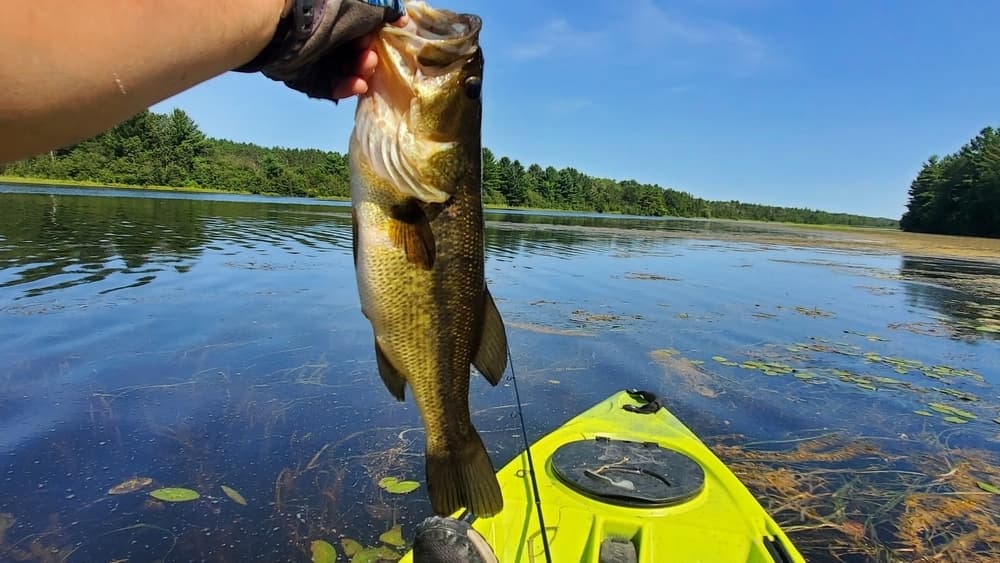
Catching a fish from a paddling vessel is a thrill unlike any other. The self-sufficient feeling one gets after reeling in a keeper on a kayak, canoe, or even SUP board makes all the effort worthwhile. While fishing from a paddling vessel is a fun, often adrenaline-pumping hobby, it also poses unique dangers that require additional knowledge and preparation to ensure you stay safe on the water.
When fishing from a kayak, canoe, or SUP board, always wear your PFD and keep a first aid kit in a dry bag within reach. Keep your equipment streamlined, and ensure your gear is securely attached to the vessel. Practice re-entry with your full setup in shallow water and always keep yourself visible. Use an anchor to avoid drifting too quickly, and remember to file a float plan.
Paddling and fishing are two hobbies that can merge in perfect unison. Combining these watersports, however, also adds significant risk for the paddler. Therefore, taking the proper safety measures is crucial. Before you start fishing from your kayak, canoe, or SUP board, read the tips below to ensure you stay safe on the water.
11 Tips For Staying Safe While Fishing In A Paddling Vessel
1. Keep Your Fishing Equipment Streamlined And Simple
When you collect gear to fish on a paddling vessel, it’s easy to overpack. With so many variables, it’s only natural to want to have every tool and fishing accessory at your disposal. While you may think an abundance of gadgets is helpful, it can actually do more harm than good.
Overpacking for a fishing trip on a small vessel can lead to disorganization and chaos. This can make the entire experience challenging and even dangerous. This is particularly true if you can’t find your safety essentials when you need them.
Instead, keep your fishing setup streamlined. Bring the essentials, and build from there. This will make for a safer and more enjoyable fishing trip.
2. Always Wear Your PFD
Fishing with a life jacket on might feel a bit constricting, but your PFD is the most essential accessory on any paddling trip. Always wear your life jacket when fishing from a paddling vessel. It’s easy to capsize while angling, and recovery is more challenging with the added gear.
Consider investing in a PFD made specifically for paddling anglers. They often come with useful pockets and are designed to make it easier to paddle and cast.
3. Keep First Aid In A Dry Bag Within Reach
Cuts, scrapes, and other injuries are quite common when fishing, especially when you are fishing and paddling simultaneously. Therefore, a first aid kit is more essential than ever when fishing from a paddling vessel.
Always keep your first aid in a dry bag, as this protects the contents, even if the bag gets wet. Furthermore, ensure you can easily reach the first aid kit. You don’t want to have to search and shuffle around your boat when you are injured.
4. Make Yourself Visible
When you fish from a paddling vessel, you are more distracted than normal. You also aren’t moving very fast. This means you are less likely to see approaching boats from afar. It can also make it harder for boats to see you.
Always wear bright colors, and ideally a reflective vest to make yourself visible. A flashing light is a good idea in foggy conditions or while fishing at dawn or dusk. Staying visible helps reduce the risk of collision and also assists in the event of an emergency rescue.
5. Choose The Right Paddling Vessel For Your Fishing Plans
The paddling vessel you choose to fish in has a major impact on how safe you’ll be on the water. You should choose a stable vessel, which means wider is better. Kayaks are the most popular paddling vessels for fishing, followed by canoes, and then fishing paddle boards.
If you are serious about making fishing from a boat a permanent hobby, consider buying a fishing kayak. These vessels are decked out with accessories, seats, and added features to make fishing easier and safer.
6. Ensure You Have A Comfortable And Secure Setup
You want to stay comfortable and secure while fishing. Comfort not only makes fishing more enjoyable, but it also makes it safer. If you’re uncomfortable and seated in an awkward position, it’s easy to cramp up. Discomfort can also inspire you to shift your weight constantly, which can cause your vessel to tip over.
In addition to your comfort, you must secure all your gear. When you fish from a kayak or canoe, you have a lot of tools in the open. Ensure your lures, hooks, bait, first-aid, and other essentials are clipped in. This will prevent loss and chaos if you capsize.
7. Practice Re-Entry In Shallow Water
Capsizing is scary, and re-entering your paddling vessel is a formidable endeavor. Re-entry is even more challenging and even dangerous if you haven’t practiced it before. Before you fish in open water, you must practice kayaking, SUP, or canoe re-entry.
Practice re-entry in shallow water, ideally with a buddy. When you practice, you should wear all your fishing gear. This ensures you are ready in a real-life scenario.
8. Use An Anchor To Avoid Drifting Too Far
Drifting while fishing is desirable when fishing for certain species. But in stronger currents or on flowing rivers, drifting while fishing from a paddling vessel is quite dangerous. When you fish in waters with lots of hazards or strong currents, it’s wise to drop an anchor.
Furthermore, when you are first learning how to fish from a paddling vessel, dropping an anchor is always a good idea. Staying still helps mitigate risk factors and keeps your boat stable. This allows you to focus on casting and reeling in fish.
9. File A Float Plan
Any time you paddle, especially if you paddle alone, you should file a float plan. A float plan should include your launch location, departure and return times, and details about your route. You should also include a description of your vessel and clothing (including any reflectors).
Filing a float plan might seem like unnecessary paperwork, but this document can save your life if you get lost at sea. Since fishing while paddling has increased risk factors, a float plan is more critical than ever.
10. Have A Plan For When You Catch A Keeper
One common mistake beginners make when fishing from a paddling vessel is not being ready to bring a fish on board. You can have the best pole, lures, and bait, but if you don’t have a quality net, pliers, and gloves, then you’re in trouble.
When fishing from a paddling vessel, ensure you have a plan and the necessary tools to bring a fish on board. If you plan to keep fish, then you also need a cooler or an appropriate bag to store them in.
11. Practice Your Cast In Advance
The way you fish from a kayak, canoe, or SUP board is vastly different from how you fish from shore or a larger boat. Casting, in particular, is something you must practice. Instead of launching your lure or bait as far as possible, you should practice smooth and calculated casts.
Short and targeted casting helps keep your balance. If you try to launch your hook too far, you may tip over. Before heading into open water, practice casting in protected bays and shallow water. Once you get a good rhythm and are comfortable casting from your vessel, you are ready to go fishing.