
5 Epic Wilderness Paddling Expeditions in Ontario’s Far North
Story by Colin Field
From the Bloodvein to the Attawapiskat, these Northern Ontario wilderness trips demand preparation, patience and respect, but reward paddlers with true solitude and a sense of wild Canada you can’t find anywhere else.
Quetico Provincial Park
Best Time: Late May to mid-September
Access: Drive-in (Atikokan or Ely, MN)
Guides/Outfitters: Quetico Outfitters, Canoe Canada Outfitters, Branch’s Seine River Lodge, Voyageur Wilderness
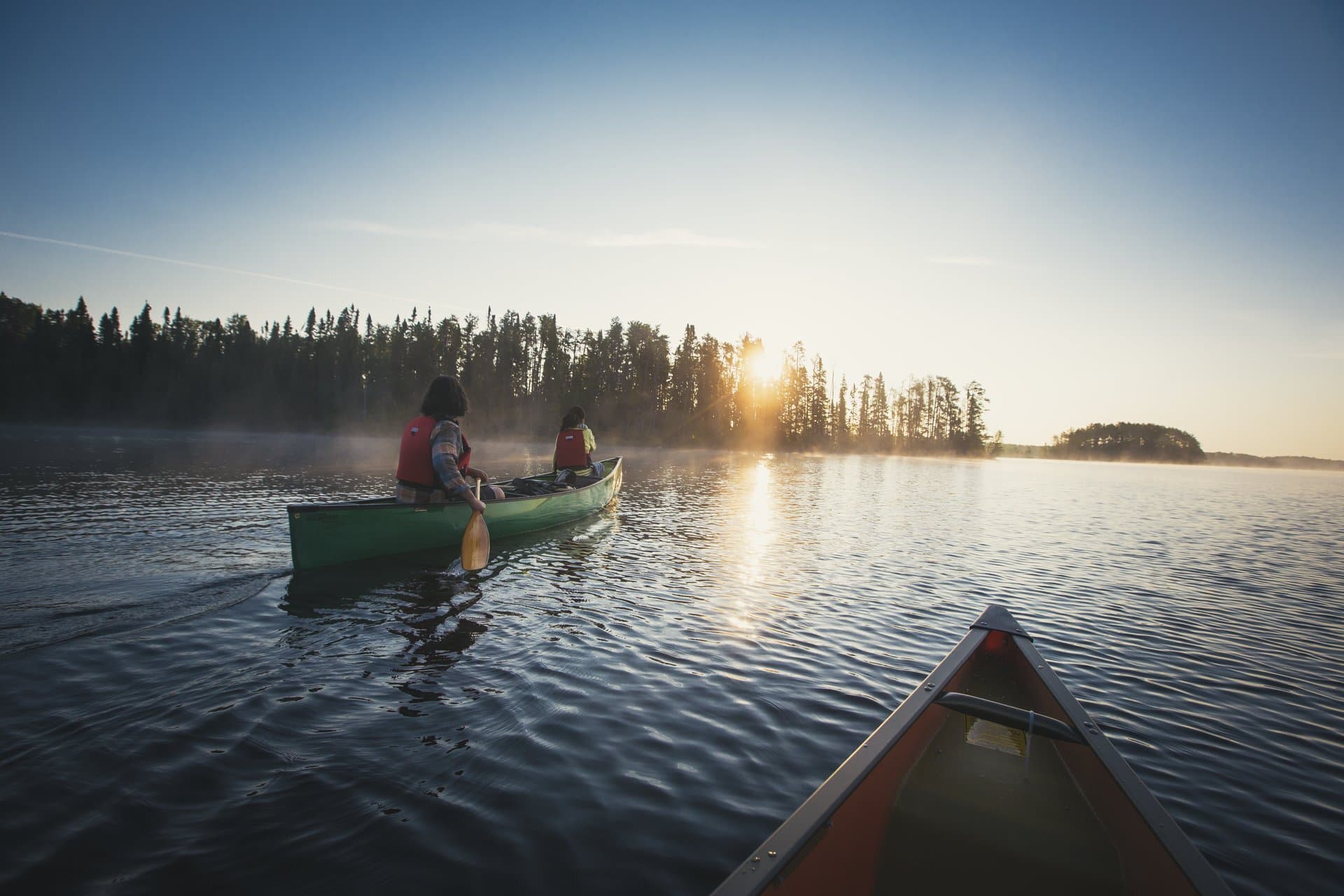
Trip Notes: Quetico Provincial Park is a paddler’s paradise: over 2,000 lakes stitched together by quiet portages and ancient trade routes. The northern entry points near Atikokan are accessible by road, but once you push south into the heart of the park, it feels like true backcountry. You’ll need a park permit, fishing license and good maps. You can pick and choose an adventure here, spending anywhere from 3-14 days in the park.
Essentials: Expect long carries, be bear-aware and plan for weather swings that can turn calm water into whitecaps in minutes. Most groups base out of Atikokan where local outfitters can help with food barrels, satellite messengers and ultralight Kevlar canoes.
Bloodvein River
Best Time: Late June through August
Access: Fly-in to Artery Lake from Red Lake, take out at Bloodvein First Nations then drive to Winnipeg.
Guides/Outfitters: MHO Adventures, Black Feather
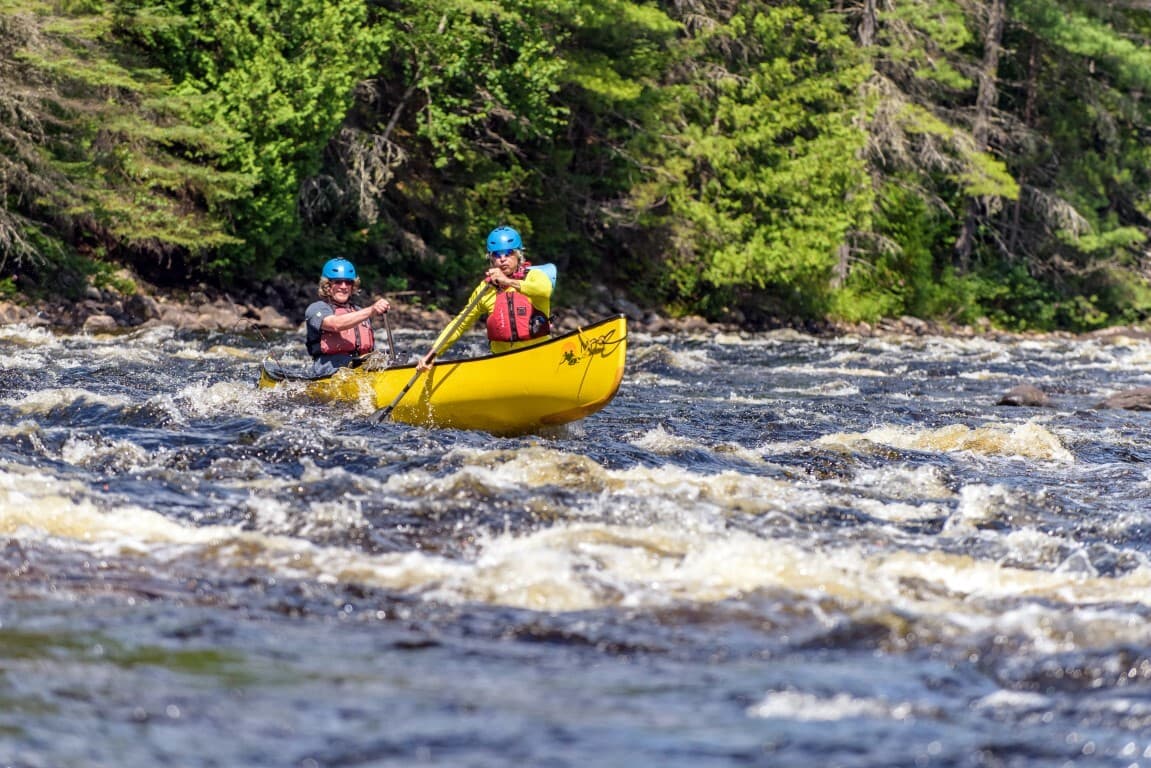
Trip Notes: The Bloodvein is the ultimate blend of whitewater and wilderness. Flowing 300 km from Artery Lake to Lake Winnipeg, it’s a Canadian Heritage River known for granite cliffs, pictographs and clean, runnable rapids. Most paddlers arrange a floatplane drop at Artery Lake and paddle out to Bloodvein First Nation, where road access begins.
Essentials: Intermediate whitewater skills are mandatory. Plan for 10–14 days on the river and multiple portages around ledges and falls. A satellite messenger or InReach is a must, and food should be stored in barrels or bear-proof canisters. This is prime black bear country.
Wabakimi Provincial Park
Best Time: Mid-June to early September
Access: Train-in or fly-in (via Armstrong or Collins), train-out or fly-out.
Guides/Outfitters: Wabakimi Outfitters, Mattice Lake Outfitters
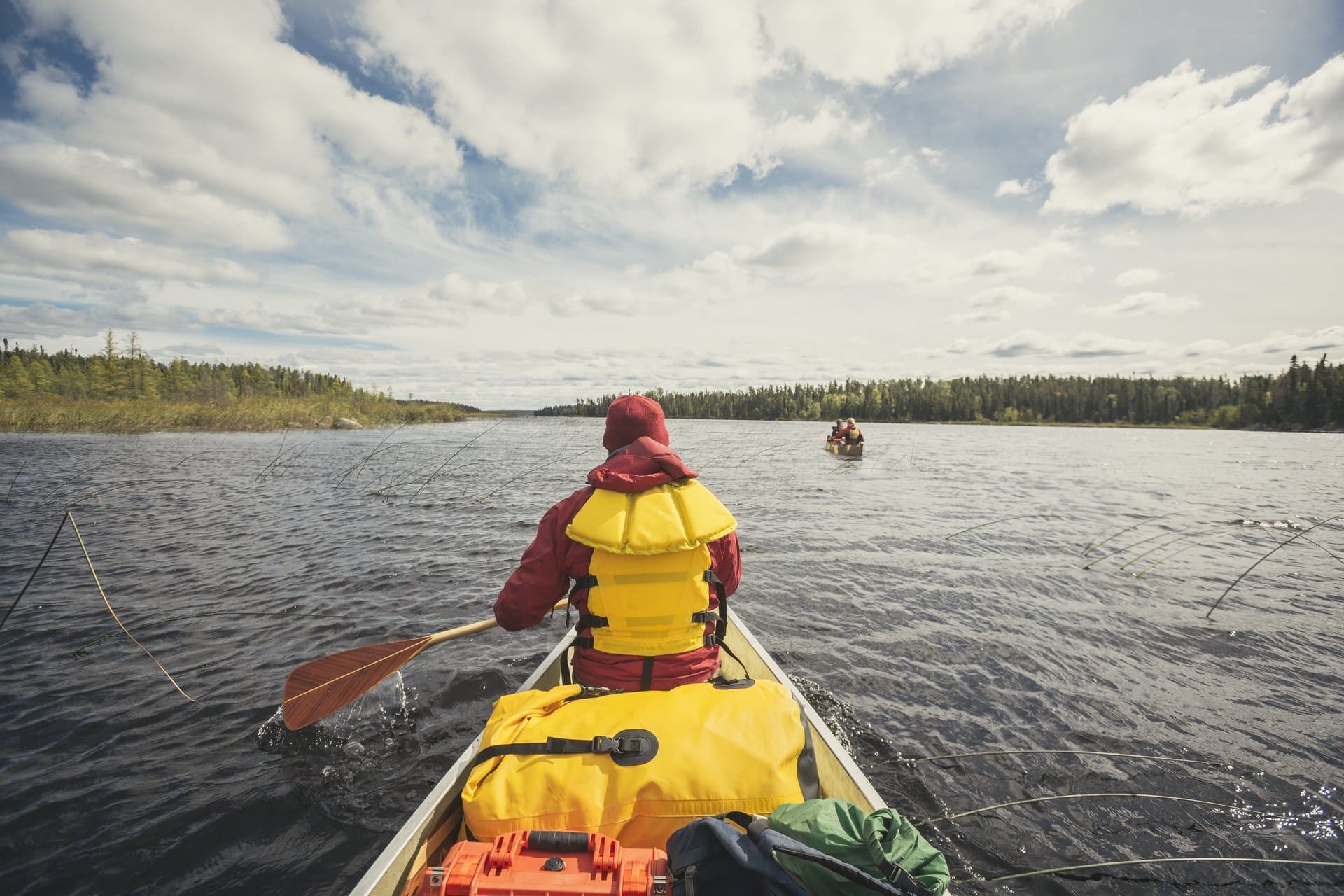
Trip Notes: Wabakimi Provincial Park is a massive wilderness, where you’re unlikely to see any other people. Trains still stop at remote flag stations along the park’s southern edge, so you can literally wave down VIA Rail to start or end a trip. Routes link countless lakes and rivers. Like Quetico, you could plan trips anywhere from 3-14 days in here. The Hyers at Wabakimi Outfitters are an unbeatable source of knowledge for anything Wabakimi.
Essentials: Bring excellent maps and backup navigation tools; many portages are unmarked. Expect to see more moose, bear and loons than people. There is not a lot of whitewater, but there are lots of route options and endless trip possibilities.
Moose River and the James Bay Lowlands
Best Time: July to early September
Access: Train in from Cochrane, train back to Cochrane from Moosonee
Guides/Outfitters: MHO Adventures
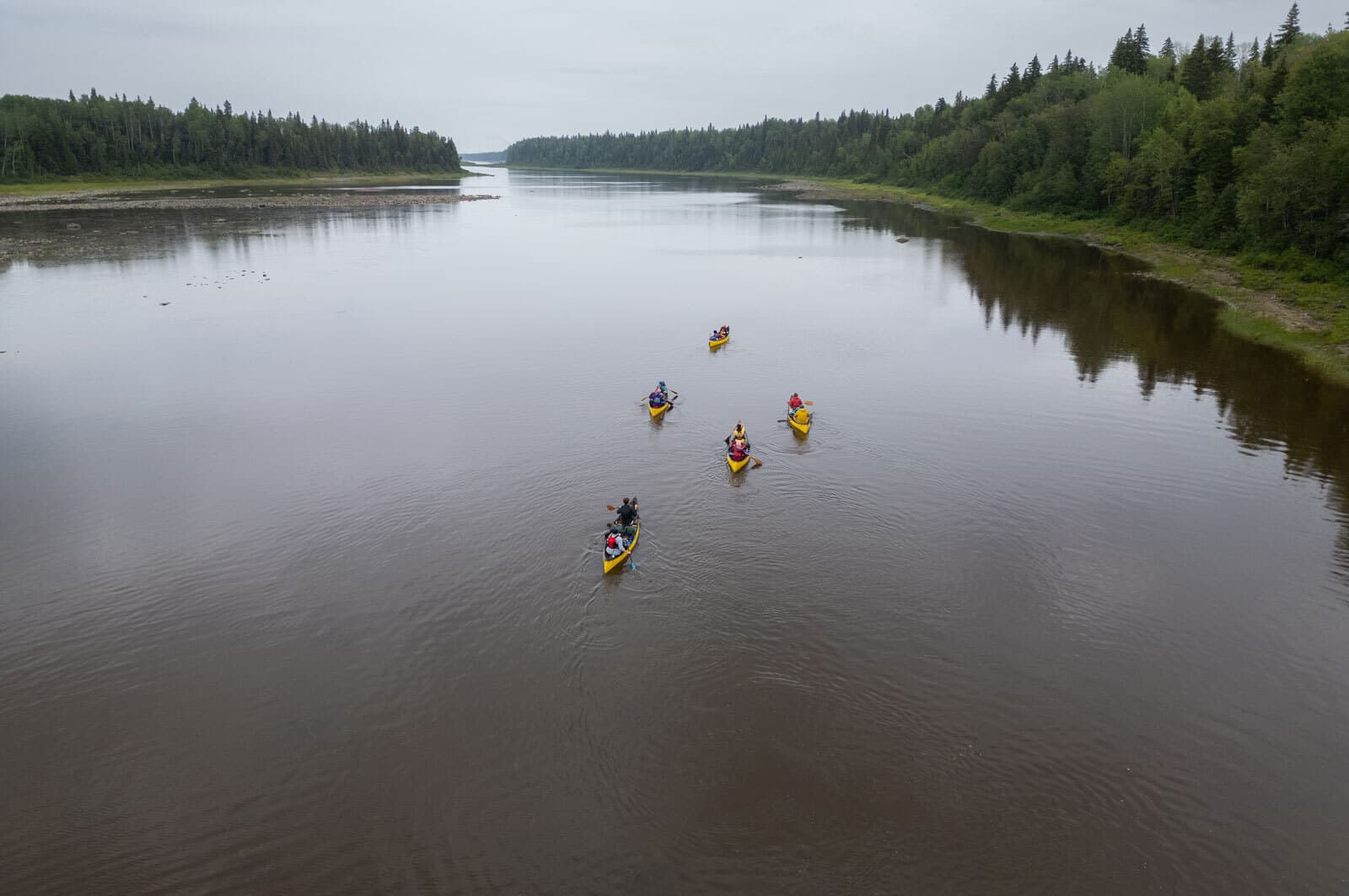
Trip Notes: The Moose is one of the great northern trade routes, long used by the Cree and voyageurs. It’s a relatively easy trip; you can hop on the Polar Bear Express in Cochrane for the put-in, and grab the same train back to your car after take out in Moosonee. The modern version is a 150–200 km journey that ends at tidewater. Expect slow, winding channels, black spruce forest and serious bugs early in the season.
Essentials: Tidal timing matters near the coast: plan carefully to avoid paddling against the incoming tide. Pack spare paddles, a tarp big enough to cook under for days of rain, and a reliable satellite communicator.
Missinaibi River
Best Time: June to August
Access: Drive-in to Mattice or Hearst. Missinaibi Lake Provincial Park or fly-in from Chapleau
Guides/Outfitters: MHO Adventures, Missinaibi Outfitters
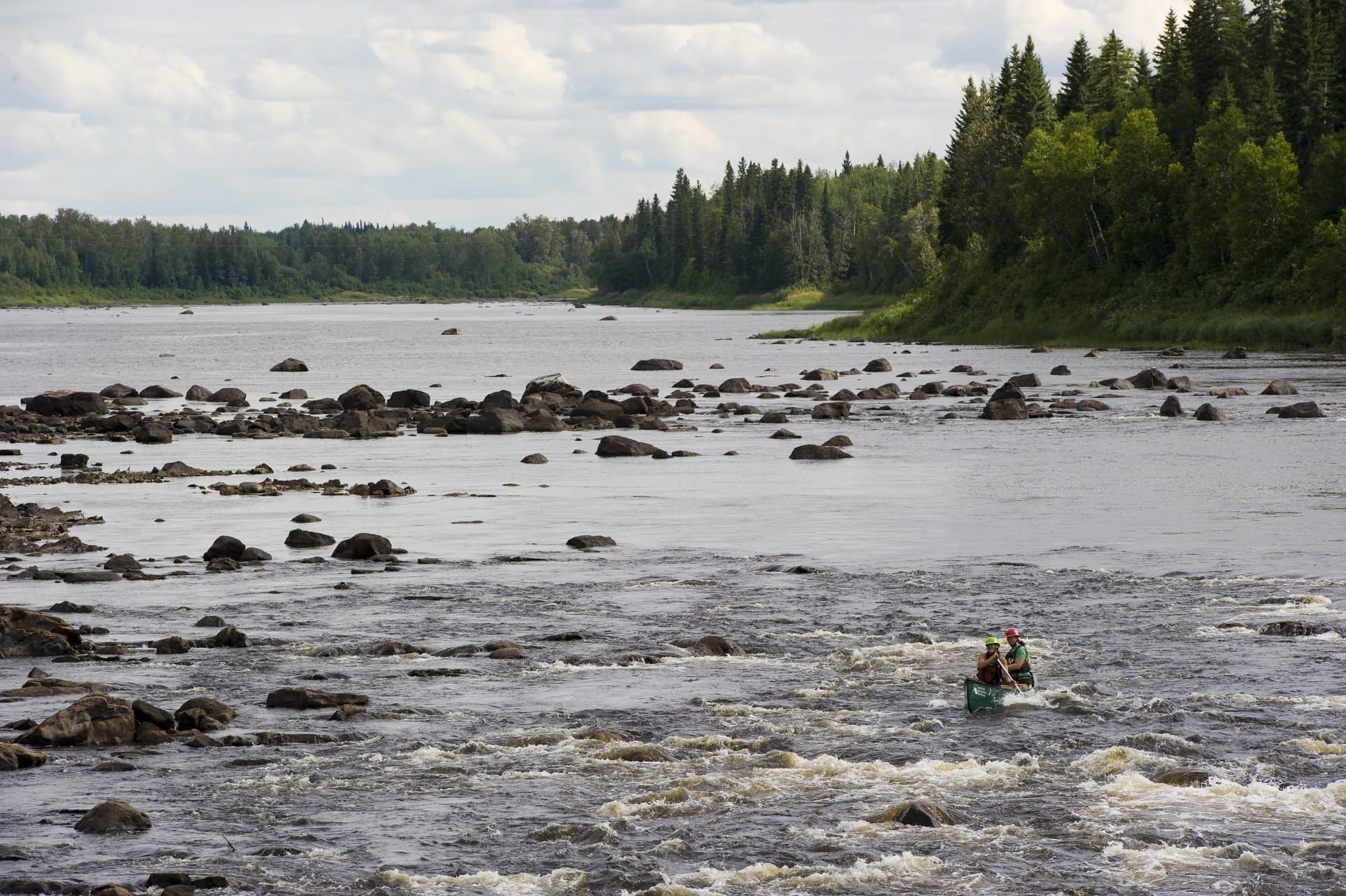
Trip Notes: One of Ontario’s great classic canoe routes, the Missinaibi River flows more than 500 km from the Canadian Shield near Chapleau to James Bay. The upper section features winding lakes and runnable rapids, while the lower stretch drops dramatically toward the Moose River lowlands. Long days, black spruce forests and lingering northern light define the experience. The journey ends at Moose Factory, where you can catch the Polar Bear Express train back to Cochrane. To do the full run takes up to 26 days, while you can split the trip in a number of different ways. Tackling the upper whitewater portions can take 9 days. If you can get a copy of Hap Wilson’s Missinaibi guidebook, you’ll be well prepared.
Essentials: Strong whitewater skills, a well-trimmed canoe and solid maps are mandatory. Bring a satellite communicator, waterproof food barrels and lightweight bug-proof clothing. Expect blackflies, long portages and unpredictable weather; but also some of the best wilderness paddling in the province.
Gear You’ll Actually Need Up There
These aren’t weekend loops. Northern rivers demand gear that keeps you alive and connected when things go sideways:
- Satellite communicator or phone: InReach, Zoleo or Iridium. Don’t rely on cell towers; there aren’t any.
- Bear-safe food storage: Blue barrels plus bear spray and good campsite hygiene.
- Expedition canoes: Royalex boats with tie-downs are must-haves.
- Maps and compass: GPS is great, but batteries die.
- Repair kit: Duct tape, epoxy, spare bolts etc.
- Weather-ready clothing: Quick-dry layers, bug-proof hoodies and a real rain jacket.
- First-aid kit: Not only a good idea, in these remote parts of the province, it’s an absolute necessity. As is first-aid knowledge.
The Real Deal
Ontario’s far north is one of the last places where you can still paddle for days without hearing a motor or seeing another tent. These rivers, whether you’re carving through the granite of the Bloodvein or drifting through the vastness of the Missinaibi, remind you how big this country really is.
They’re not easy. They’re not cheap. But they’re worth every blister, mosquito bite and portage. Because when you’re sitting by a northern campfire watching the aurora dance over black water, you’ll know you’ve earned it.
NOTE: This is sponsored content produced in partnership with Destination Ontario
Related Articles

Those with young children know that choosing the perfect summer vacation destination is as daunting as…

Peru is a country famous for its incredible hikes, iconic Incan ruins, and rich cultural traditions. It…

Canada is one of the greatest countries in the world for paddling. It is filled with untamed…

Story by Colin Field From granite mazes on the French to the big water of the Moose and Missinaibi, here…