
Hidden Hazards Every Paddler Should Know About
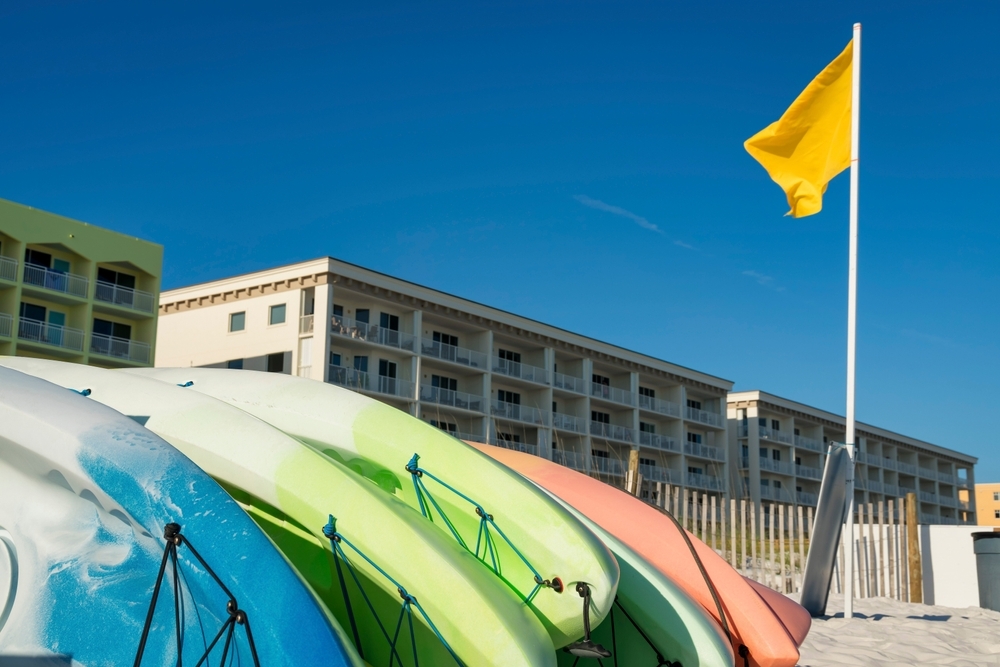
Paddling hazards can come in every form you can imagine, and you often can’t see the most dangerous ones. Hidden hazards can startle even the most experienced paddlers, and without preparation, you may find yourself in a life-threatening situation. Therefore, as a paddler, you must have some general knowledge about the most common hidden hazards you may encounter on the water.
Strong currents, wind conditions, and submerged trees are all common hazards every paddler must be mindful of. Low-head dams, other vessels, and coral reefs and rock piles pose serious consequences. Always be extra cautious after heavy rain and storms, as rapids, currents, and floating debris are more likely to form then. Whenever paddling in new waters, consult a local expert, as they can help you identify potential hazards in advance.
Paddling is often a relaxing watersport, but this activity doesn’t come without its dangers. Some risks of this watersport are fairly obvious, but others are more elusive. To ensure you are always safe and prepared on the water, you must be able to identify all the potential hidden hazards and understand the best ways to avoid them while paddling.
9 Hidden Paddlers Every Paddler Must Look Out For
1. Strong Currents
Currents can turn a tranquil paddle into a life-threatening situation. Some tides and currents are mild, but others rip through channels with such force that you can quickly find yourself far from shore and very fatigued.
While currents are sometimes visible with choppy waters and clear water movement, others are almost completely invisible.
How To Avoid: To avoid dangerous currents, you should always research your paddling route in advance. Most currents are well-documented, and local paddling experts can often point out areas to avoid. Some currents are strongest during tides. Therefore, it’s wise to plan to paddle at slack tide.
2. Submerged Trees And Branches
Trees, branches, and other natural debris can become submerged just below the surface. These hazards are often new and unknown, even to frequent paddlers in the area. Trees and branches often fall after a major storm, and are prevalent in early spring after a long winter.
How To Avoid: If you’re paddling after a storm or early spring, always paddle with caution, especially when you are close to shore in forested areas. Avoid paddling in murky waters and opt for days with good visibility, as this makes it much easier to spot hazards.
3. Rocky Shallows And Coral Reefs
Every paddler needs to remember that just because you are far from shore, it doesn’t mean the water is always deep. Rock piles and coral reefs are scattered along nearly every coastline, and they are one of the main causes of shipwrecks, historically.
Paddling over these sharp and dense shallows is dangerous, especially at low tide. You can puncture an inflatable vessel and severely damage even the strongest kayak.
How To Avoid: Most rock pilings and coral reefs are well-documented on maps. Always review maps and choose routes that avoid shallow, potentially dangerous areas. If you’re paddling among reefs, avoid low tide to ensure you have an extra buffer. Paddling with a local is another great way to ensure you avoid these danger zones.
4. Rapids
Some paddlers seek out rapids, especially those who love adventurous river paddling. But some rapids appear only after periods of heavy rain, or in early spring as snow and ice melt. Rapids can be incredibly dangerous when you aren’t prepared for them, and you must avoid areas where rapids can appear to ensure safety on the water.
How To Avoid: Never paddle during a flash-flood warning in the forecast, as heavy rain can create intense rapids very quickly. Always scope out your paddling location in advance when paddling in and near rivers, especially in early spring, or during a rainy season when waters are high.
5. Wind Hazards
You can’t see it, but wind is arguably the most important weather feature to pay attention to when paddling. Paddling against the wind can quickly fatigue even the strongest paddler. When wind direction is opposed to currents, choppy, very hazardous conditions ensue. Offshore winds are also quite dangerous, as they can make it very difficult for a paddler to return to shore at the end of a journey.
How To Avoid: Always check the complete wind forecast before paddling. You need to know both wind speed and wind direction to ensure you won’t find yourself in a dangerous situation. Compare the wind direction to your paddling route and currents, and ensure everything is safe before starting your planned route.
6. Low-Head Dams
Low-head dams are manmade structures found in rivers that can cause serious, even fatal, injuries to paddlers. Not only can going over one of these dams be extremely dangerous, but they also make it hard to escape. These dams create a circulating current, which means they can suck you and your vessel inward, towards the cascading water, making it almost impossible to escape.
How To Avoid: Never paddle anywhere near a low-head dam. Always research a river before you decide to paddle it, as failure to do so can result in all sorts of dangerous consequences. Any time you navigate a river for the first time, you should be accompanied by a local expert to avoid these and other hazards.
7. Floating Debris
While many hidden hazards are submerged, you should also watch for barely floating objects. Lakes, bays, and oceans contain all sorts of natural and man-made debris. Most of this floating debris can cause problems if your paddling vessel comes in contact with it. Everything from large floating plastics to ropes and driftwood can create issues for paddlers.
In some cases, it is a minor inconvenience, but if you aren’t fully alert, floating debris can damage your vessel and cause you to capsize.
How To Avoid: The best way to avoid floating debris is to stay constantly alert and maintain a clear line of sight. Always wear polarized sunglasses that reduce glare and make it easier to spot objects floating in the distance. A wide-brimmed hat helps block sun glare, making it easier to see what's ahead.
8. Other Vessels
Larger boats are often easy to see, but small and fast-moving vessels can seemingly come out of nowhere. Boat collisions can be fatal, and even a run-in with a fellow paddler can cause injury and an unexpected capsize event. Paddling at sunrise and dusk when there is minimal light, and on foggy days, all make it harder to see other vessels.
How To Avoid: The best way to avoid other vessels is to paddle when visibility is best, and to make yourself more visible. Avoid venturing out on foggy or rainy days, and take extra precautions when paddling in the early morning and pre-sunset hours.
Make yourself more visible by wearing bright and reflective clothing.
9. Sandbars And Shoals
Sandbars and shoals might seem harmless, since they aren’t pointed and rocky, but shallow sandy areas can cause serious issues for unprepared paddlers. Furthermore, unlike reefs and rocky areas, sandbars can shift, especially after a major storm. Therefore, it’s easier to find yourself caught off-guard by these hidden land masses, even if you’re familiar with the area.
How To Avoid: Any time you’re paddling in a region famous for its sandbars or shoals, you must paddle with caution. Be aware that these sections of hidden land can create currents, and they can also increase your risk of capsizing. Always paddle with someone familiar with the area, and opt for low-wind and high-visibility days when it’s easier to spot them from your vessel.
Related Articles

For paddlers with children, there is arguably no greater joy than teaching a child how to paddle.…

Photo by Desintegrator, Shutterstock. For many adult paddlers, a cold beer or delicious cocktail is the…
Photo by: Dmitri T, Shutterstock Regardless of whether you’re an expert paddler with decades of…

I’ve been on paddling tours all over the world, from New England to the Galapagos Islands. While every…